
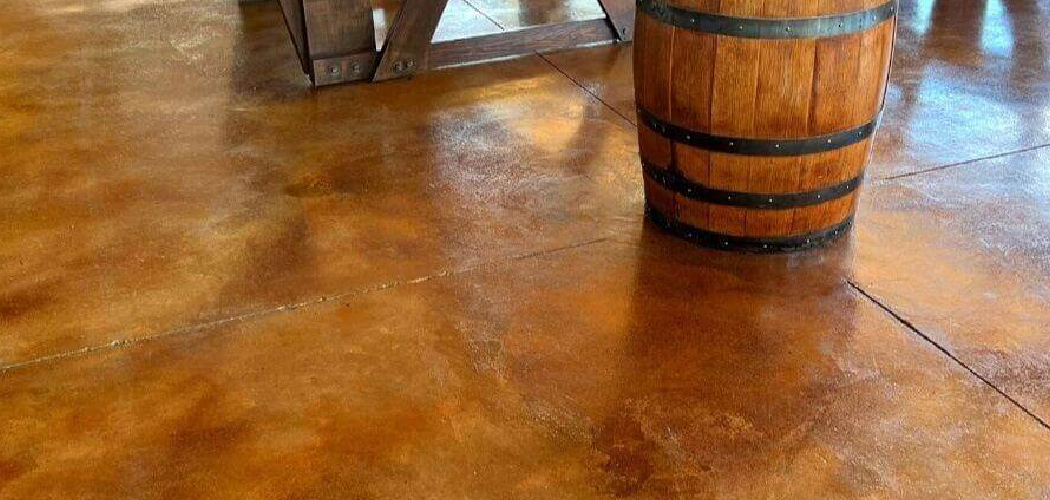
Wood stain on concrete looks like a permanent mistake. It isn’t. A few drips from a deck project or a knocked-over can on the driveway can leave dark blotches that seem to soak in and stay forever. But concrete is porous, and the right approach pulls that pigment back out. Learning how to get wood stain off of concrete saves you from a stained patio, a marked-up garage floor, or a driveway that ruins your curb appeal.
The method depends on the stain type, how long it sat, and the tools you reach for. This guide walks you through the exact steps, materials, and timing that work — so you can clear the mess with confidence instead of guessing your way through it.
Why This Skill Matters
Fresh stains are cheap to fix. Old, ignored ones cost real money. Call a pressure-washing service or a concrete refinisher, and you’re looking at a few hundred dollars for a problem you could have handled yourself in an afternoon. Knowing how to clear stain from concrete also keeps you from making things worse — the wrong solvent can etch the surface or spread the pigment wider.
This is a confidence skill. Once you’ve removed one stain successfully, deck projects and driveway repairs stop feeling risky. You spill, you clean, you move on. You also protect your concrete’s appearance, which holds property value and keeps outdoor spaces looking finished. Master this one task and you stop fearing the drip.
Tools and Materials You’ll Need
Gather everything before you start. Stopping mid-job to find supplies lets the stain set deeper.
- Lift oil-based stains fast — mineral spirits or paint thinner
- Cut grease and grime — trisodium phosphate (TSP) or a heavy-duty degreaser
- Scrub without scratching — a stiff-bristle nylon brush
- Break down stubborn pigment — a commercial concrete stain remover or wood stain remover
- Blast loosened residue away — a pressure washer (1,800–3,000 PSI)
- Soak up fresh spills — paper towels, rags, or cat litter
- Protect yourself — chemical-resistant gloves, safety glasses, and a respirator
- Rinse the area — a garden hose with a spray nozzle
- Optional: a poultice paste (baking soda or clay mixed with solvent) for deep, set-in stains that resist surface scrubbing
Step-by-Step Guide on How to Get Wood Stain Off of Concrete
Step 1 – Identify the Stain Type
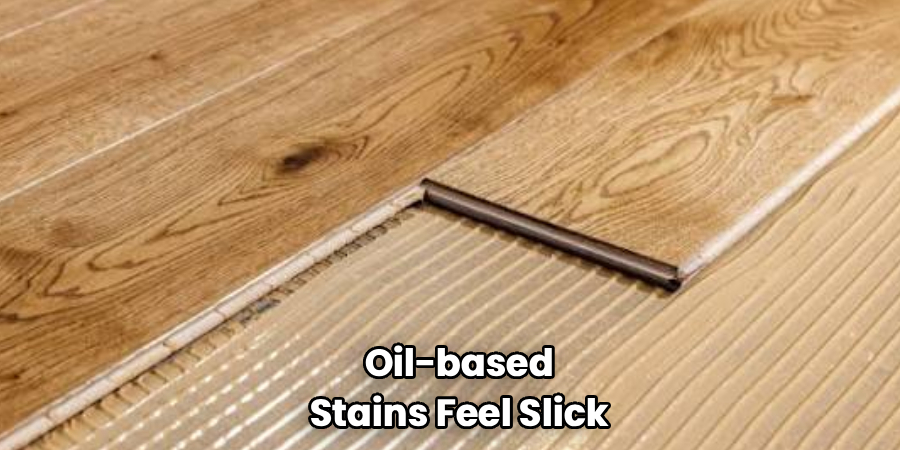
Start by knowing what you’re fighting. Oil-based stains feel slick and sit darker, often with a glossy edge where the surface sealed. Water-based stains dry flatter and lighter, sometimes with a chalky look.
Touch a damp rag to the edge. If color lifts onto the cloth easily, it’s likely water-based and newer. If it resists and smells faintly of solvent, it’s oil-based and will need stronger treatment.
This step decides your whole strategy. Water-based stains respond to TSP and hot water. Oil-based stains need mineral spirits or a dedicated remover. Guess wrong here and you waste an hour scrubbing with the wrong product. Get it right and the rest goes fast.
Step 2 – Blot Fresh Spills Immediately
Speed wins with fresh drips. The moment stain hits concrete, it begins sinking into the pores. You have minutes, not hours, before penetration becomes a real problem.
Press a dry rag or paper towel straight down onto the spill. Don’t wipe — wiping smears the pigment across a wider area and pushes it deeper into the texture. Blot, lift, replace with a clean section, and repeat.
For larger puddles, pour cat litter or sawdust over the stain to absorb the bulk. Let it sit fifteen minutes, then sweep it up. You’ll see the litter darken as it pulls liquid out. The faster you act, the less you’ll fight later. This single habit is half of how to get wood stain off of concrete cleanly.
Step 3 – Test Your Cleaner First
Concrete reacts differently depending on its age, finish, and any sealer. Test before you commit to the whole area.
Pick a hidden corner — behind a planter or near a wall. Apply a small amount of your chosen cleaner and wait ten minutes. Watch for fizzing, lightening of the concrete itself, or a rough, etched texture. Those are warning signs the product is too strong.
If the concrete stays intact and only the stain reacts, you’re clear to proceed. This two-minute check saves you from a bleached patch that stands out worse than the original stain. Skipping it is the most common way people turn a small problem into a permanent one. Always test, always wait.
Step 4 – Apply the Right Remover
Match your product to the stain. For oil-based deck or driveway stain, soak the spot with mineral spirits or a commercial wood stain remover. Pour enough to keep it wet, not just damp.
For water-based stain, mix TSP with hot water following the label ratio, then brush it on generously. The solution should pool slightly over the stain.
Let it dwell. Oil-based removers need ten to twenty minutes to break the bond between pigment and pore. You’ll often see the stain edges soften and bleed slightly — that’s the solvent doing its job. Don’t let it dry out. Reapply if the surface starts going matte. Patience during this dwell time is where most of the real work of concrete stain removal actually happens.
Step 5 – Scrub the Surface
Now you put muscle into it. Take your stiff-bristle nylon brush and work the loosened stain in tight, overlapping circles. You’ll feel the bristles catch in the concrete’s texture — that grit is where pigment hides.
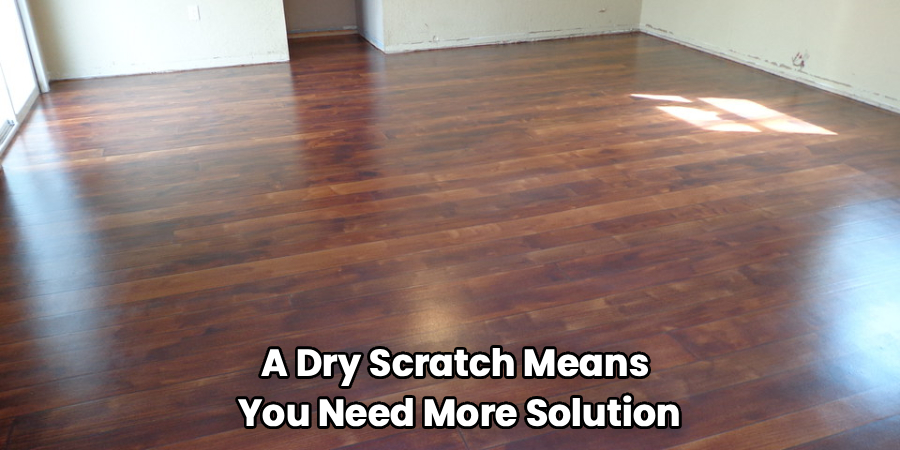
Listen for the sound. A dry scratch means you need more solution; a wet, slushy scrub means the remover is still active. Keep the area damp as you work.
Watch the color. As you scrub, the stain should start lifting into a muddy slurry on the surface. That’s progress. If nothing changes after a few minutes, the stain is deeper than surface level — and you’ll need the poultice method in a later step. Avoid wire brushes; they scratch concrete and leave rust marks that stain on their own.
Step 6 – Rinse and Assess
Clear away the slurry to see your real progress. Use a garden hose to flush the loosened pigment and spent cleaner off the surface. Push the runoff toward a drain or grass edge, away from storm drains if you used harsh chemicals.
Once rinsed, let the concrete dry for ten minutes. Wet concrete always looks darker, so you can’t judge results until it lightens. As it dries, the true picture appears.
If the stain is gone or barely visible, you’re done. If a faint shadow remains, repeat the remover-and-scrub cycle once more. Most stains clear in one or two rounds. Set-in stains may need a deeper approach, which the next step covers.
Step 7 – Pressure Wash Stubborn Areas
For stains that survive scrubbing, bring in pressure. A pressure washer set between 1,800 and 3,000 PSI strips loosened pigment from deep in the concrete’s pores.
Hold the wand at a 45-degree angle, twelve inches from the surface. Move in steady, overlapping passes. You’ll hear the spray change pitch as it hits stained versus clean concrete. Watch the stain lift in visible streaks as the water cuts through it.
Keep the nozzle moving. Lingering in one spot etches a groove that never matches the surrounding surface. Start at a lower pressure and increase only if needed. For driveway stain and large outdoor spills, pressure washing often finishes the job faster than any amount of hand-scrubbing.
Step 8 – Treat Deep Stains With a Poultice
Some stains soak too deep for surface methods. A poultice draws them back out. Mix baking soda or powdered clay with your solvent until you get a peanut-butter consistency.
Spread a quarter-inch layer over the stain, extending an inch past the edges. Cover it with plastic wrap and tape the borders down. As the paste dries over 24 hours, it pulls dissolved pigment up and out of the concrete — the same way a drying sponge wicks water.
Peel off the dried poultice and rinse. You’ll see the stain has migrated into the paste. Deep tannin stains from wood and stubborn oil-based marks usually need this method. Repeat once if a faint trace lingers.
Common Mistakes to Avoid
The biggest mistake is waiting. People see a small drip and figure they’ll deal with it later. By then the stain has bonded with the concrete’s pores, and a thirty-second blot job becomes a multi-step removal project. Treat every spill as urgent, even if it looks minor.
Wiping instead of blotting ruins fresh spills. Dragging a rag across wet stain spreads the pigment across a wider patch and forces it deeper into the texture. Always press straight down and lift.
Using the wrong product wastes effort and sometimes damages the surface. Acid-based cleaners on the wrong concrete can etch and lighten it, leaving a pale scar worse than the stain. Match your remover to the stain type, and always test first.
Over-pressuring with a power washer is another trap. Too much PSI held too long carves visible lines into the concrete that never blend back in. Keep the wand moving and start low.
Finally, people skip protective gear. Mineral spirits, TSP, and strong removers irritate skin, eyes, and lungs. Gloves, glasses, and a respirator aren’t optional when you’re working with solvents.
Expert Tips
Work in the shade. Direct sun dries your remover before it can break the stain’s bond, forcing you to reapply constantly. Early morning or an overcast day gives you longer dwell time and better results.
Warm the solvent slightly for oil-based stains. A solution at room temperature or just above penetrates faster than a cold one straight from a chilly garage. Never heat flammable solvents directly — just let them sit indoors first.
Reseal after removal. Once you’ve cleared the stain, the cleaned area is more porous and prone to staining again. A fresh coat of concrete sealer protects it and helps the spot blend with the rest of the surface.
For tannin stains from wood itself, oxygen bleach works better than chlorine bleach and won’t damage surrounding concrete or nearby plants.
Frequently Asked Questions
Can I Remove Old Dried Wood Stain From Concrete?
Yes, but it takes more effort than fresh spills. Dried stain has bonded with the concrete’s pores, so you’ll likely need a commercial remover, hard scrubbing, and possibly a poultice for deep marks. Apply your remover, let it dwell longer than usual, then scrub and rinse. Repeat the cycle two or three times. Patience and repetition clear nearly any aged stain.
Will Bleach Take Wood Stain Off Concrete?
Bleach lightens some stains but rarely removes them fully. Chlorine bleach can fade pigment and kill mildew, but it won’t break the oil bond in oil-based stains. Oxygen bleach works better for organic tannin stains from wood and is safer for surrounding plants. For most jobs, a dedicated solvent or stain remover outperforms bleach and gives cleaner, more reliable results.
Does Pressure Washing Alone Remove Wood Stain?
Sometimes, but not always. Pressure washing excels at blasting away loosened pigment after a remover has done its work. On fresh or shallow stains, it may clear the surface on its own. Deep, set-in stains usually resist water pressure alone. Apply a remover first, let it dwell, then pressure wash to finish. Combining both methods works far better than relying on water pressure by itself.
How Do I Stop Wood Stain From Staining Concrete Again?
Seal the concrete. A quality concrete sealer fills the pores and creates a barrier that keeps future spills on the surface, where you can blot them up before they soak in. Reapply sealer every two to three years on high-traffic areas like driveways. During staining projects, lay down drop cloths or cardboard to catch drips before they ever reach the concrete.
Is Water-Based Stain Easier to Remove Than Oil-Based?
Yes, especially when fresh. Water-based stain responds to hot water and TSP, lifting with moderate scrubbing before it fully cures. Oil-based stain bonds harder and needs mineral spirits or a solvent-based remover to break down. Once either type dries and sets for weeks, the gap narrows and both require similar effort. Act fast and water-based stains clear with much less work.
Conclusion
A stained patio or driveway feels like a disaster in the moment. It isn’t. With the right product, a little timing, and steady scrubbing, that dark blotch comes out and your concrete looks finished again. The keys are simple: act fast on fresh spills, match your remover to the stain type, test before you commit, and reach for a poultice or pressure washer when stains run deep.
You now know how to get wood stain off of concrete from start to finish — identifying the stain, applying the right cleaner, scrubbing smart, and protecting the surface afterward. None of it requires a professional. It requires the right steps in the right order.
Next time stain hits your concrete, you won’t panic. You’ll grab your supplies, work the problem, and clear it the same afternoon. Seal the area when you’re done, keep drop cloths handy for future projects, and that spotless surface stays that way.
