
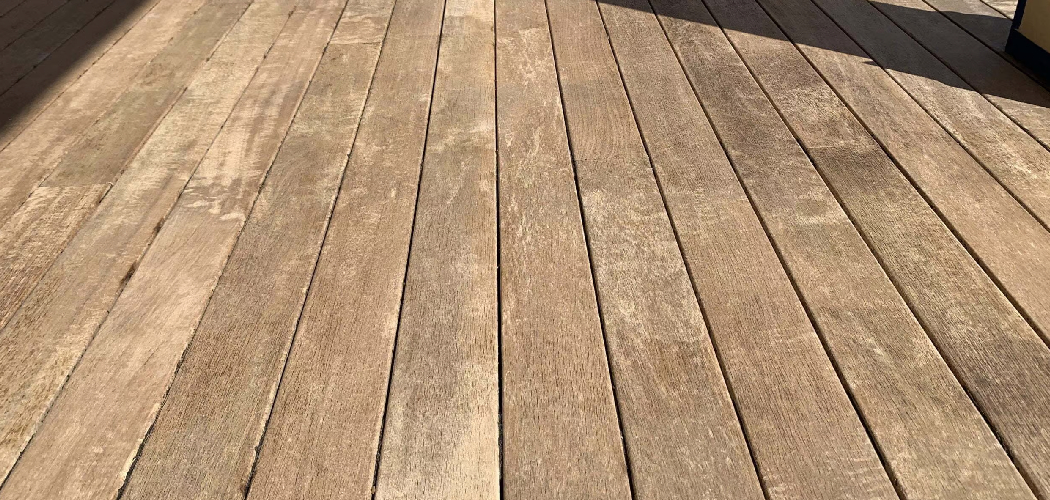
Your ipe deck is one of the toughest surfaces money can buy. But dirt, mildew, and that silvery gray film still creep in over time. Left alone, they dull the rich brown grain that made you choose ipe in the first place. The good news? Restoring it is simpler than you think. Learning how to clean ipe wood deck surfaces takes a few hours, a handful of tools, and the right technique—no contractor required.
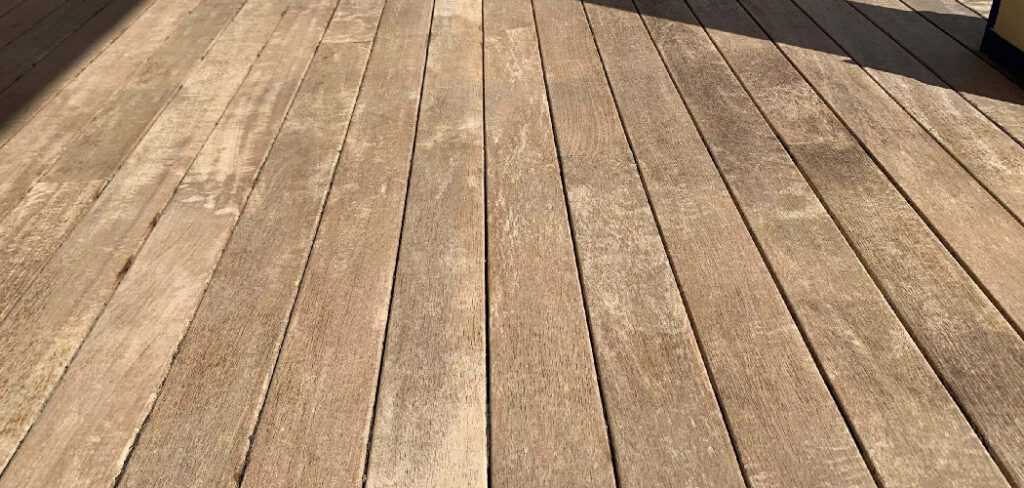
Ipe is dense, oily, and naturally resistant to rot, which means it cleans differently than pine or cedar. Skip the wrong product and you waste time. Use the right one and the wood looks new again. This guide walks you through every step, from gear to finish, so you get professional results on your first try.
Why Cleaning Your Ipe Deck Matters
Neglect costs you money. Grime and mildew trap moisture against the boards, and even ipe’s legendary durability has limits when left dirty for years. A clean deck dries faster, resists surface mold, and holds its color longer.
Regular ipe wood maintenance also protects your investment. Ipe decking runs several times the price of softwood, so extending its life by even a few seasons pays off. Cleaning before you re-oil means the finish bonds properly instead of sealing dirt underneath.
You also avoid costly mistakes. Many beginners reach for harsh chemicals or pressure washers set too high, gouging the surface and creating repairs that cost more than the cleaning itself. Master the basics now, and you save hundreds in refinishing or board replacement down the road.
Tools and Materials You’ll Need
Gather everything before you start. A clean deck depends on the right gear, not muscle.
- Stiff-bristle deck brush – scrubs grime without scratching the grain
- Oxygen bleach deck cleaner – lifts mildew and dirt safely on hardwood
- Wood brightener (oxalic acid) – neutralizes cleaner and restores brown tone
- Garden hose with spray nozzle – rinses without high-pressure damage
- Plastic bucket – mixes solutions evenly
- Rubber gloves and safety glasses – protect skin and eyes from cleaners
- Painter’s tape and plastic sheeting – shield siding and plants nearby
- Teak oil or penetrating ipe finish – optional, for sealing after cleaning
One optional item earns its place: a low-pressure pressure washer set under 1,500 PSI. It speeds rinsing on large decks, but a hose works fine for most jobs.
Step-by-Step Guide on How To Clean Ipe Wood Deck
Step 1 – Clear and Inspect the Deck
Pull everything off the boards first. Move furniture, planters, grills, and rugs to expose the full surface. You want nothing blocking your reach.
Now walk the deck slowly. Run your hand across the boards and feel for splinters, raised grain, or loose fasteners. Look for dark mildew spots, green algae near shaded edges, and that gray patina where sun has bleached the wood. Tap any soft-sounding boards to check for rot, though ipe rarely fails here.
Mark trouble areas with painter’s tape so you remember them later. Catching a popped screw now saves a snagged brush head in ten minutes. A clean inspection sets the pace for everything that follows.
Step 2 – Protect the Surrounding Area
Cleaners that brighten ipe can damage what’s around it. Take five minutes to protect nearby surfaces before mixing anything.
Cover shrubs, flower beds, and grass with plastic sheeting. Oxygen bleach is gentle on wood but still stresses plants if it pools at the roots. Tape plastic over adjacent siding, especially painted or vinyl surfaces that streak when splashed.
Wet down landscaping with plain water first. Damp leaves absorb less runoff than dry ones. Position your hose so you can rinse quickly if cleaner drifts where it shouldn’t.
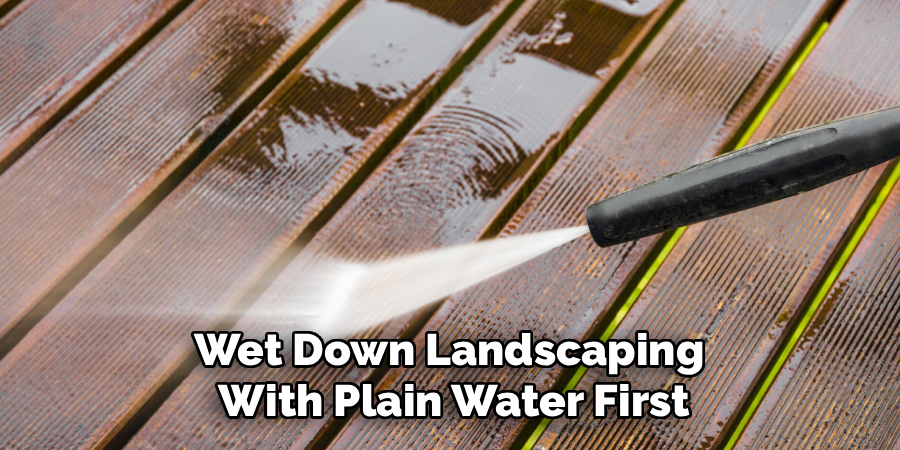
This is also when you pull on gloves and safety glasses. The cleaner won’t burn you instantly, but hours of scrubbing without protection leaves your hands raw and stinging.
Step 3 – Mix Your Deck Cleaner
Read the label, then mix exactly to spec. Oxygen bleach comes as a powder you dissolve in warm water, usually one cup per gallon.
Stir it in a plastic bucket—never metal, which reacts with the solution. The powder dissolves with a faint fizz and turns the water slightly cloudy. Keep stirring until no grit settles at the bottom. Undissolved crystals leave uneven streaks on the wood.
Mix only what you’ll use within an hour. Oxygen bleach loses strength as it sits, and a weak batch means more scrubbing for less result. For a standard 300-square-foot deck, start with two gallons.
Warm water activates the cleaner faster than cold, so fill your bucket from the tap accordingly. This step is where knowing how to clean ipe wood deck surfaces properly really begins.
Step 4 – Apply the Cleaner
Pour or brush the solution onto a section roughly four feet square. Work in zones so the cleaner never dries before you scrub.
Spread it evenly with your deck brush, pushing the liquid into the grain. You’ll hear a soft swish as the bristles move through the wet film. The wood darkens as it absorbs the solution—that’s normal and expected.
Let it dwell for ten to fifteen minutes. Don’t let it bake in direct sun, or it dries to a chalky residue that’s hard to rinse. If the surface starts drying early, mist it lightly with the hose to keep it active.
Watch the mildew spots. As the cleaner works, dark patches lighten and loosen, a clear sign the solution is doing its job.
Step 5 – Scrub Along the Grain
Now put the brush to work. Scrub with firm, steady strokes that follow the direction of the grain, never across it.
Going with the grain lifts dirt from the pores without scratching the surface. You’ll feel resistance fade as grime breaks loose, and the water turns brown and murky beneath the bristles. That color change tells you the cleaner is pulling out embedded dirt.
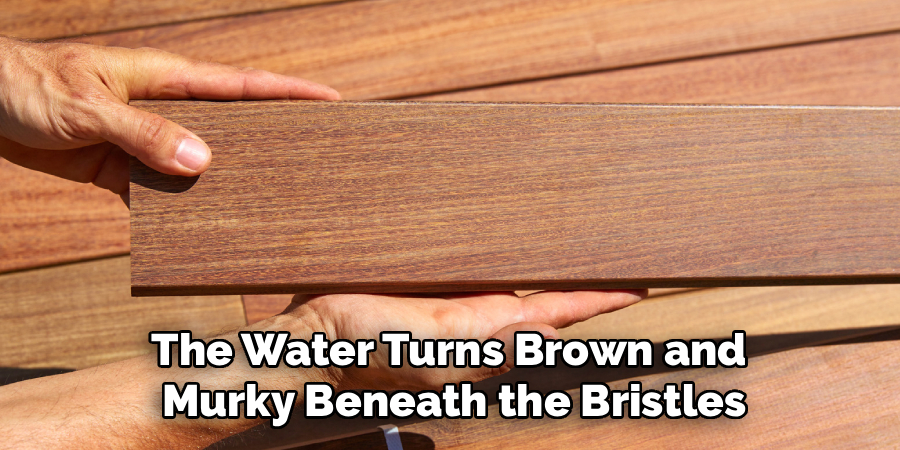
Apply pressure through your shoulders, not your wrists, to keep an even stroke across each board. Pay extra attention to the gray, weathered patches and the seams between boards where mildew hides.
If a stubborn spot resists, reapply a little cleaner and let it sit another five minutes before scrubbing again. Patience beats brute force on dense ipe every time.
Step 6 – Rinse Thoroughly
Rinse before the cleaner dries. Start at the highest point of the deck and work downhill so dirty water flows away from clean areas.
Use your hose with a fan nozzle, holding it at a low angle. If you switched to a pressure washer, keep it under 1,500 PSI and the tip at least a foot from the boards. Higher pressure raises the grain and leaves fuzzy, rough patches that ruin the finish.
Spray until the runoff runs clear and no soapy film remains. Slide your hand across a rinsed board—it should feel smooth and clean, not slick or slippery. Any slickness means cleaner still lingers in the grain.
Check shaded corners and stair treads, where residue loves to hide and dry into white streaks.
Step 7 – Apply Wood Brightener
Brightener does two jobs: it neutralizes leftover cleaner and restores ipe’s warm brown tone. Skip it and the wood can look dull or slightly bleached.
Mix the oxalic acid brightener per the label, then apply it to the damp deck with a brush or sprayer. The change happens fast. Within minutes, the gray haze fades and the rich chocolate and amber tones return, almost like a curtain lifting off the grain.
Let it sit for the time the label specifies, usually ten minutes. You’ll see the color deepen as it works. Then rinse thoroughly with clean water, just as you did before.
This step separates a decent cleaning from a stunning one. It’s the secret behind every ipe decking restoration that looks freshly milled.
Step 8 – Let the Deck Dry Completely
Patience pays here. Ipe is dense and holds moisture longer than softer woods, so give it time before you walk on it or seal it.
Wait at least 48 hours of dry weather. The surface may feel dry to the touch after a few hours, but moisture lingers deep in the grain. Sealing too soon traps that water and causes the finish to peel or cloud.
Check readiness with a simple test. Sprinkle a few drops of water on the boards. If they soak in within seconds, the wood is dry and ready. If they bead and sit, wait longer.
Pick a stretch of clear, warm days for this stage. Knowing how to clean ipe wood deck boards includes knowing when to leave them alone.
Step 9 – Seal with Oil (Optional)
Sealing isn’t required, but it locks in that fresh color and slows future graying. If you want the rich look to last, this is the move.
Apply a thin coat of teak oil or a penetrating ipe-specific finish with a brush or cloth. Work it into the grain along the boards, then wipe off any excess after fifteen minutes. Ipe is so dense it absorbs only what it needs—leftover oil sits on top and gets sticky.
You’ll see the grain pop as the oil sinks in, deepening every brown and red tone. Let it cure for 24 to 48 hours before replacing furniture. Reapply once a year to keep the color from fading back to gray.
Common Mistakes to Avoid
The biggest mistake is using too much pressure. Beginners crank a pressure washer to maximum and blast the boards, thinking more force means cleaner wood. Instead, high pressure tears open the grain, leaving fuzzy, splintered patches that demand sanding to fix. Keep any washer under 1,500 PSI and a foot away from the surface.
Another error is reaching for chlorine bleach. Household bleach strips ipe’s natural oils, dries out the wood, and can leave it looking blotchy and lifeless. Oxygen bleach cleans just as well without the damage, so there’s no reason to risk it.
Skipping the brightener ranks high too. Many people stop after scrubbing and rinsing, then wonder why the deck looks gray and flat. Brightener restores the warm tone and balances the wood’s pH after cleaning—it’s not an extra, it’s part of the job.
Finally, people seal too soon. Ipe traps moisture deep in its dense fibers, and oil applied over damp wood peels within weeks. Wait the full 48 hours, run the water-drop test, and only then break out the finish. Rushing here undoes all your work.
Expert Tips
Clean on an overcast day. Direct sun dries the cleaner before it can work and forces you to rush every section. Cloud cover gives you the dwell time the solution needs.
Always test a hidden corner first. Mix your cleaner and brightener, apply them to a board under a planter or near a wall, and check the result before committing to the whole deck. This catches surprises before they cost you.
Work the seams with a narrow brush or putty knife wrapped in cloth. Mildew and debris pack into the gaps between boards, and a wide deck brush skips right over them.
Finally, time your maintenance by the seasons. A light cleaning each spring and a fresh oil coat each fall keeps ipe looking new with far less effort than a deep restoration every few years.
Frequently Asked Questions
How often should I clean my ipe deck?
Clean your ipe deck once or twice a year. A spring cleaning removes winter grime and mildew, while a fall cleaning preps the wood before colder, wetter months. Decks in heavy shade or under trees need more frequent attention because they collect debris and stay damp longer. A quick rinse between deep cleans also helps keep dirt from building up.
Can I use a pressure washer on ipe?
Yes, but only with care. Keep the pressure under 1,500 PSI, use a fan tip, and hold the nozzle at least a foot from the boards. Too much force gouges the dense grain and leaves rough, splintered patches that require sanding. A garden hose with a spray nozzle works fine for most decks and carries far less risk of damage.
Why does my ipe deck turn gray?
Ipe turns gray from UV exposure. Sunlight breaks down the surface lignin in the wood, leaving that silvery patina many owners dislike. The gray is purely cosmetic and doesn’t harm the wood’s strength. To restore the original brown, clean the deck and apply a wood brightener. A yearly coat of UV-protective oil slows the graying considerably.
Do I need to oil my ipe deck after cleaning?
Oiling is optional but recommended if you want to keep the rich brown color. Without oil, clean ipe slowly fades back to gray as UV exposure continues. A penetrating teak oil or ipe-specific finish deepens the tone and slows weathering. Apply a thin coat to fully dry wood, wipe off the excess, and reapply once a year for lasting color.
What’s the best cleaner for ipe wood?
Oxygen bleach is the best all-around cleaner for ipe. It lifts dirt and mildew without stripping the wood’s natural oils or harming nearby plants. Pair it with an oxalic acid brightener to neutralize the cleaner and restore the warm brown tone. Avoid chlorine bleach, which dries out the boards and can leave them looking blotchy and lifeless.
Conclusion
A clean ipe deck does more than look good—it lasts longer, dries faster, and holds its color season after season. You now have the full process: clear and inspect, protect the surroundings, mix and apply oxygen bleach, scrub with the grain, rinse, brighten, dry, and seal. Each step builds on the last, and none takes more effort than a focused afternoon.
The real win is confidence. Once you know how to clean ipe wood deck boards the right way, you stop guessing and start getting professional results every time. You save money on contractors, protect a premium investment, and keep your outdoor space looking sharp.
Don’t wait for the gray to set in. Grab your brush, mix your cleaner, and bring back the deep brown grain that made you choose ipe in the first place. Your deck rewards a little care with years of beauty—so put this guide to work and enjoy the results.
