
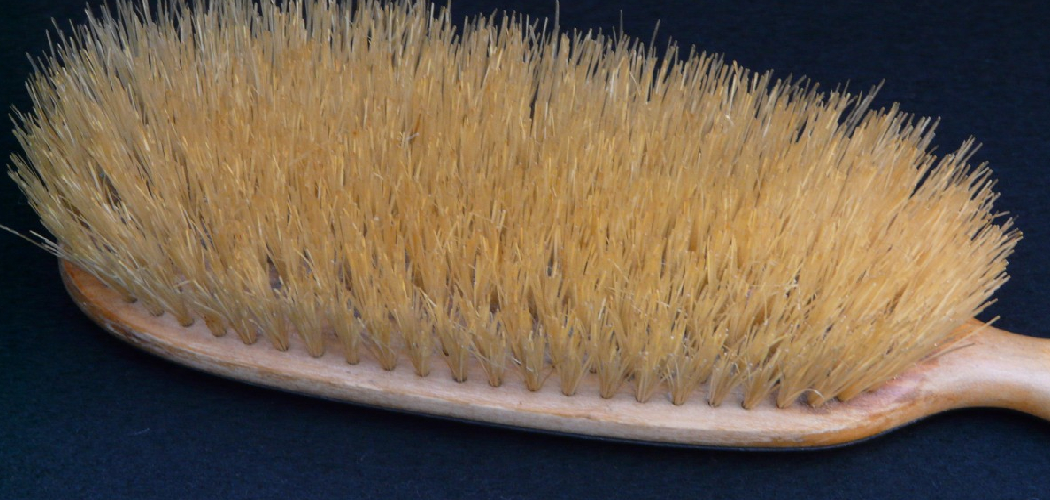
A boar bristle brush stops working long before it looks dirty. Oil, dust, and product buildup pack down into the bristles and coat the wooden handle, killing the brush’s grip on your hair and dulling the natural shine those bristles are prized for. Most people never clean theirs. Then they wonder why it stopped doing its job.
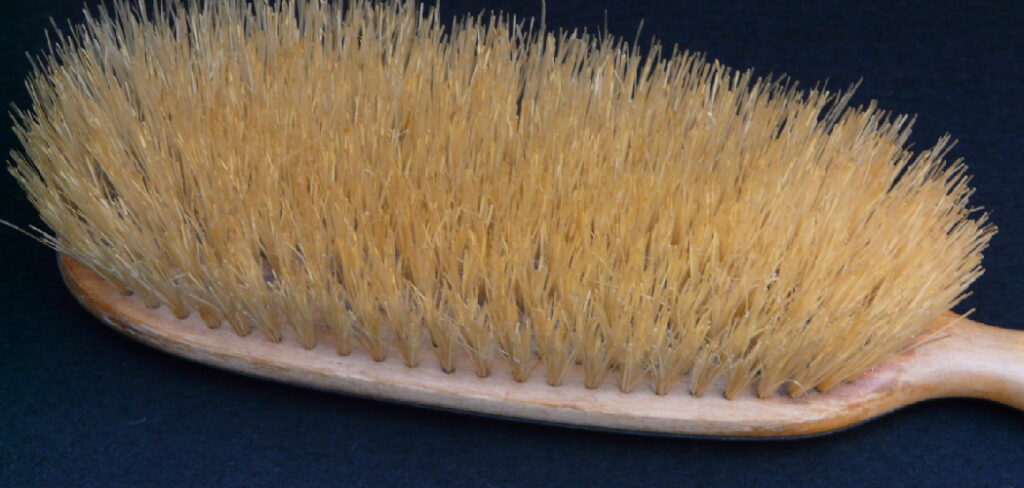
The wooden handle adds a catch: water is the enemy. Soak it like a plastic brush and the wood swells, cracks, and loosens the bristle base. So you need a method that lifts grime without drowning the wood.
That’s exactly what this guide covers. You’ll learn how to clean boar bristle brush with wooden handle the right way — removing buildup, protecting the wood, and restoring the bristles to full working condition.
Why This Matters
A neglected brush works against you. Trapped oil and dead skin redistribute right back onto clean hair, leaving it greasy instead of glossy. Clean bristles do the opposite — they pull natural oils down the strand and add the shine you bought the brush for.
There’s a money angle too. A quality boar bristle brush isn’t cheap. Treat the wood right and it lasts years. Soak it carelessly and you’ll replace a cracked, shedding brush in months.
Learning this skill also builds a feel for wood care that carries over to everything else you own. The same instincts — keep water off raw wood, condition it, dry it flat — protect cutting boards, tool handles, and furniture.
Master the routine once. Your brush performs better, lasts longer, and saves you the cost of replacing it.
Tools and Materials You’ll Need
Match each tool to the job. The right kit cleans the bristles without wetting the wood.
- Pull out trapped hair — a rat-tail comb or the pointed end of a tail comb.
- Loosen packed debris — a soft toothbrush.
- Cut oil and product buildup — a few drops of clarifying shampoo or mild baby shampoo.
- Control the water — a shallow bowl of lukewarm water.
- Protect the wooden handle — a dry microfiber cloth and a cotton towel.
- Condition the wood — a small amount of mineral oil or beeswax-based wood balm.
- Reach tight spots — cotton swabs for the base of the bristles.
- Optional: a bristle brush cleaning tool — speeds up hair removal on dense brushes.
Step-by-Step Guide on How to Clean Boar Bristle Brush With Wooden Handle
Step 1 – Remove the Trapped Hair
Start dry, every time. Pull the hair out before any water touches the brush.
Slide the pointed end of a tail comb under the layer of hair near the base of the bristles. Lift it up and away in one motion. You’ll feel the mat release as it peels off the bristle bed.
Work in sections across the whole brush. Big clumps come out first; loose strands follow. Tweezers grab the stubborn ones wrapped tight around individual bristles.
Hold the brush up to the light when you think you’re done. Stray hairs cast thin shadows against the bristles. Pluck those too.
A bristle bed clear of hair lets water and shampoo reach the grime underneath. Skip this and you’re just washing over a tangle.
Step 2 – Tap Out the Loose Debris
Dust and skin flakes sit deep in the bristles. Knock them loose before they turn to paste under water.
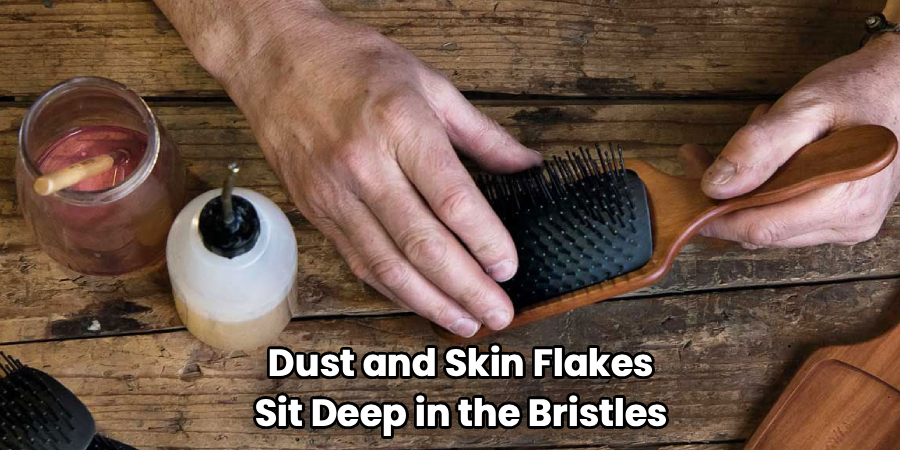
Hold the brush bristle-side down over a trash can or sink. Tap the wooden handle firmly against the edge. You’ll hear a soft patter as dry debris drops out.
Run a soft toothbrush through the bristles in short strokes, base to tip. The bristles part and release a fine gray dust — that’s old skin, dust, and powder buildup.
Tap again after brushing. More falls free.
This dry-cleaning step matters when you learn how to clean boar bristle brush with wooden handle, because removing dry debris first means less grime turns to sludge once you add shampoo. The water then targets only the oily film left behind.
Step 3 – Mix a Gentle Cleaning Solution
Harsh cleaners strip boar bristles and dry out the wood. Keep the solution mild.
Fill a shallow bowl with lukewarm water — never hot. Hot water softens the glue holding the bristles and raises the grain on the wood.
Add a few drops of clarifying or baby shampoo. Swirl it with your fingers until light suds form across the surface. You want enough to cut oil, not a thick foam that’s hard to rinse.
Dip a fingertip in. It should feel slightly slippery, not heavily soapy.
Keep the bowl shallow on purpose. You’ll dip only the bristles, never the handle. That shallow pool is your insurance against soaking the wood — the single biggest threat to a wooden-handled brush.
Step 4 – Dip and Swish the Bristles Only
This is where the wood stays safe. Wet the bristles, not the handle.
Hold the brush by the handle and lower only the bristle tips into the soapy water. Swish them back and forth gently. You’ll see the water cloud as trapped oil and residue lift away.
Keep the wooden base above the waterline the entire time. Tilt the brush rather than plunging it straight down.
Dip the soft toothbrush in the solution and work it through the bristles again. Short strokes, base to tip. The bristles squeak faintly as the oil film releases.
Don’t rush. Twenty or thirty seconds of swishing pulls out more than a quick splash. The cloudier the water gets, the more buildup you’re removing.
Step 5 – Scrub the Bristle Base
The base traps the worst of it. Clean it without flooding the wood.
Dampen a cotton swab in the soapy water and run it along the rows where the bristles meet the cushion. This pocket collects packed oil and gray gunk that swishing alone won’t reach.
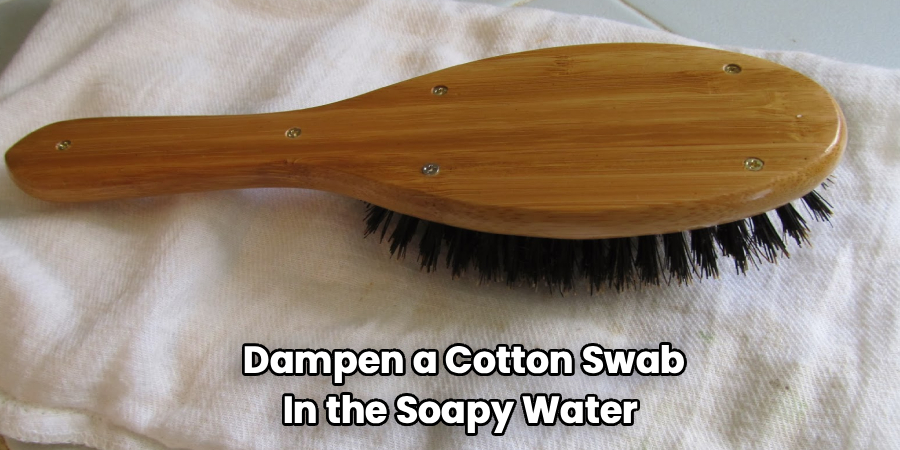
Switch to the toothbrush for the tighter sections. Angle it into the base and brush in small circles. You’ll lift a darker residue here — that’s the deepest layer of buildup.
Keep the swab and toothbrush damp, not dripping. You’re spot-cleaning, not soaking.
Wipe the loosened grime away with the corner of a damp cloth as you go. The base should shift from grimy and dull to clean and pale, with the bristles standing more freely once the gunk between them clears.
Step 6 – Rinse Without Soaking
Soap left behind dries stiff and dulls the bristles. Rinse it out, but keep the wood dry.
Hold the brush bristle-side down under a slow stream of lukewarm water. Angle the handle up so water runs off the bristle tips, away from the wood. You’ll feel the slick soapy texture wash clean.
Work your fingers through the bristles under the stream until the water runs clear and the suds disappear.
If your faucet runs too strong, dip and swish the bristles in a bowl of clean water instead. Change the water twice.
Never let the stream pool around the wooden base. Quick, angled rinsing protects the handle while it clears the soap. Clean bristles feel grippy and slightly rough — not slimy or coated.
Step 7 – Dry the Brush the Right Way
Wet wood is vulnerable wood. Dry the handle fast and the bristles flat.
Wipe the wooden handle immediately with a dry microfiber cloth. Get every drop, especially where the wood meets the bristles. Any lingering moisture there swells the wood and loosens the base over time.
Squeeze the bristles gently in a cotton towel to pull out water. Don’t twist or yank.
Lay the brush bristle-side down on a dry towel. This lets water drain away from the wooden base instead of seeping into it.
Let it air-dry fully — usually several hours — before storing or using it. You’ll know it’s ready when the bristles feel dry and springy and the handle shows no dark damp patches.
Step 8 – Condition the Wooden Handle
Raw wood dries out and cracks. A light conditioning treatment keeps the handle sound.
Once the handle is completely dry, put a small drop of mineral oil or a dab of beeswax balm on a clean cloth. Rub it into the wood in the direction of the grain.
You’ll watch dull, thirsty wood deepen in color and take on a soft, even sheen. Cover the whole handle, but go light — the wood absorbs only so much.
Buff off any excess with a dry corner of the cloth. The surface should feel smooth and protected, never greasy.
Do this every few cleanings, not every time. Conditioned wood resists water and lasts for years, which is the whole point of caring for a wooden-handled brush properly.
Common Mistakes to Avoid
The biggest mistake is soaking the whole brush. People dunk a wooden-handled brush the same way they’d rinse a plastic one, and the wood pays for it. Water swells the handle, raises the grain, and works into the seam where the bristles seat. Over time the wood cracks and the bristle base loosens. Always keep the handle above the waterline.
Hot water ranks a close second. It feels like it cleans better, but heat softens the adhesive holding the bristles and dries out the wood. Stick to lukewarm, every time.
Skipping the hair removal step wastes the whole effort. Wash over a packed mat of hair and the water never reaches the grime underneath. Clear the bristle bed dry, first.
Letting the brush dry bristle-up traps water against the wooden base, the exact spot you worked to keep dry. Always dry it bristle-side down so water drains away from the handle.
Finally, harsh cleaners strip boar bristles of the natural texture that makes them work. Vinegar in heavy doses and strong detergents dry the bristles brittle. A few drops of mild shampoo does the job without the damage.
Expert Tips
Clean the bristles often, deep-clean rarely. A quick dry comb-through after every few uses keeps buildup from ever packing down, so full washes become a once-a-month job instead of a rescue mission.
Use a microfiber cloth for the handle, not paper towels. Paper leaves lint in the bristle seam and pills against raw wood. Microfiber lifts water cleanly.
Match your conditioning oil to the brush. Mineral oil and beeswax balm are food-safe and won’t go rancid. Skip cooking oils — they spoil and leave a sour smell in the wood.
Dry the brush away from heat. A radiator or hair dryer cracks the wood faster than anything. Room-temperature air drying is slower but safe.
Store the brush flat or bristle-down. Standing it handle-down lets any residual moisture settle into the wood base.
Frequently Asked Questions
How Often Should You Clean a Boar Bristle Brush?
Do a quick dry clean — removing hair and tapping out debris — every few uses. Give it a full wash with shampoo about once a month, or more often if you use a lot of styling product. Regular light cleaning prevents heavy buildup, so deep cleans stay fast and your bristles keep working at full strength between them.
Can You Get the Wooden Handle Wet at All?
A few stray drops won’t ruin it, but you should never soak the wooden handle. Wood swells, cracks, and loosens the bristle base when it absorbs water. Keep the handle above the waterline, wet only the bristles, and dry the wood immediately with a microfiber cloth. That habit alone adds years to the brush.
What Soap Is Safe for Boar Bristles?
A few drops of clarifying shampoo or mild baby shampoo in lukewarm water works best. These cut oil and product buildup without stripping the bristles’ natural texture. Avoid harsh detergents, heavy vinegar solutions, and hot water — they dry boar bristles brittle and damage the wood. Gentle and minimal beats strong every time with natural bristles.
How Do You Dry the Brush Without Damaging It?
Wipe the wooden handle dry right away, then squeeze the bristles in a cotton towel. Lay the brush bristle-side down on a dry towel so water drains away from the wood base. Let it air-dry at room temperature for several hours. Never use a hair dryer or radiator — direct heat cracks the handle and weakens the bristle glue.
Why Do You Need to Condition the Wood?
Raw wood loses moisture, dries out, and eventually cracks — especially after repeated cleaning. A light coat of mineral oil or beeswax balm every few washes seals the surface, restores the shine, and helps the wood shed water instead of absorbing it. Conditioning takes one minute and is the main reason a quality wooden-handled brush lasts for years.
Conclusion
A clean brush does its job; a dirty one fights you. Now you know how to clean boar bristle brush with wooden handle without harming either part — clear the hair dry, tap out debris, wash the bristles in mild suds, rinse at an angle, dry the wood fast, and condition the handle to keep it sound.
The whole routine comes down to one rule: protect the wood while you clean the bristles. Keep the handle above the waterline, skip the hot water, dry bristle-side down, and oil the wood now and then. Do that and your brush keeps gripping hair, spreading natural oils, and adding shine for years.
Keep it simple. Comb it dry. Wash gentle. Dry fast. Condition often.
Pull out your brush today and run the full process once. The first time you feel those clean bristles glide through your hair, you’ll keep the routine going — and your brush will reward you for it.
