
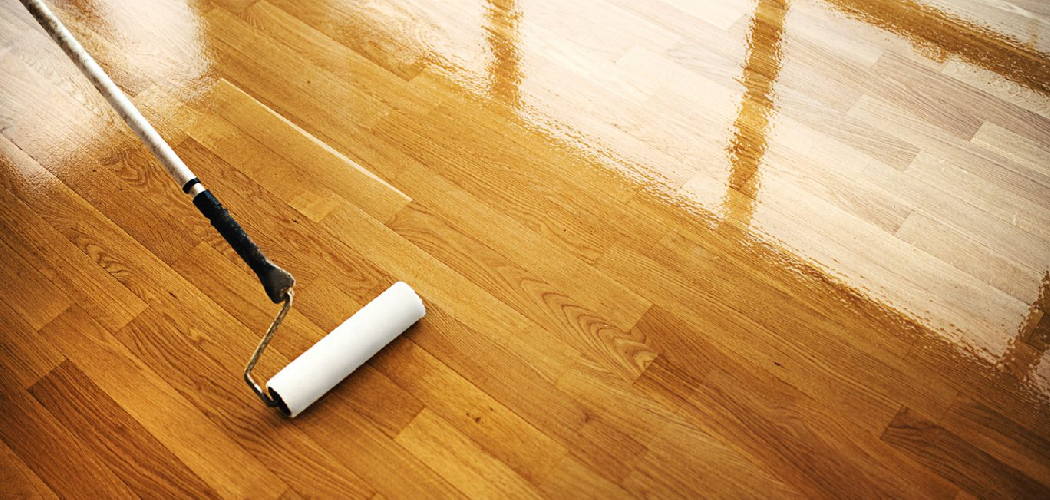
Dirty floors age fast. Grit, spills, and the wrong cleaner strip the finish and dull the wood veneer that gives engineered hardwood its shine. The good news: you can stop the damage with a routine that takes minutes a week.
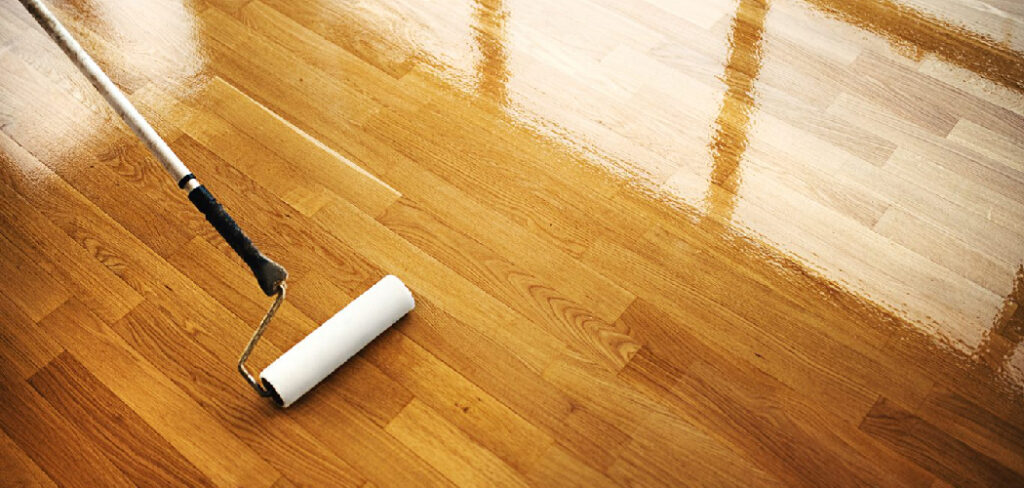
Engineered wood flooring is built differently than solid hardwood. It has a real wood top layer bonded to a stable plywood core. That construction handles foot traffic well, but it hates standing water and harsh chemicals. Knowing how to clean engineered wood flooring the right way protects that top layer and keeps your floor looking new for decades.
This guide walks you through every step, tool, and mistake to avoid so you can clean your floors with confidence and zero guesswork.
Why Cleaning Engineered Wood Flooring Matters
Neglected floors cost you money. A scratched, water-damaged surface means refinishing or full replacement — both expensive jobs you can prevent with good habits.
Regular cleaning protects your investment. Engineered hardwood has a thin wear layer, often 2 to 6 millimeters thick. Grit acts like sandpaper underfoot, grinding down that layer with every step. Sweep and mop correctly, and you extend the floor’s life by years.
You also avoid costly mistakes. Many beginners reach for steam mops or all-purpose sprays that void warranties and warp the planks. Learn the right method once, and you sidestep repairs that drain your budget.
Clean floors look better, feel better, and hold their value. For DIY beginners, this is one of the easiest wins in home maintenance.
Tools and Materials You’ll Need
Gather these before you start. Most are inexpensive and last for years.
- Trap dust fast — a soft-bristle broom or microfiber dust mop.
- Lift fine grit — a vacuum with a hard-floor setting and no beater bar.
- Clean without streaks — a microfiber mop with a washable head.
- Protect the finish — a pH-neutral cleaner made for engineered hardwood.
- Control moisture — two buckets, one for cleaner and one for rinsing.
- Dry quickly — a stack of dry microfiber cloths.
- Spot-treat spills — a soft cloth dampened with warm water.
- Optional: a spray bottle to mist cleaner directly onto the mop head for precise moisture control.
Skip the string mop and any cleaner labeled “wax,” “oil soap,” or “all-purpose.” They leave residue that dulls the wood veneer and attracts dirt.
Step-by-Step Guide on How To Clean Engineered Wood Flooring
Follow these steps in order. The right sequence prevents scratches and keeps moisture off the planks.
Step 1 – Clear the Floor
Move chairs, rugs, and small furniture out of the room. You need a clear surface to spot every speck of grit and reach the edges where dust collects.
Lift items rather than dragging them. Dragging a chair leg across engineered hardwood leaves gray scuff marks or deep scratches that catch the light. You’ll hear a harsh scraping sound if you drag — that’s your warning to stop.
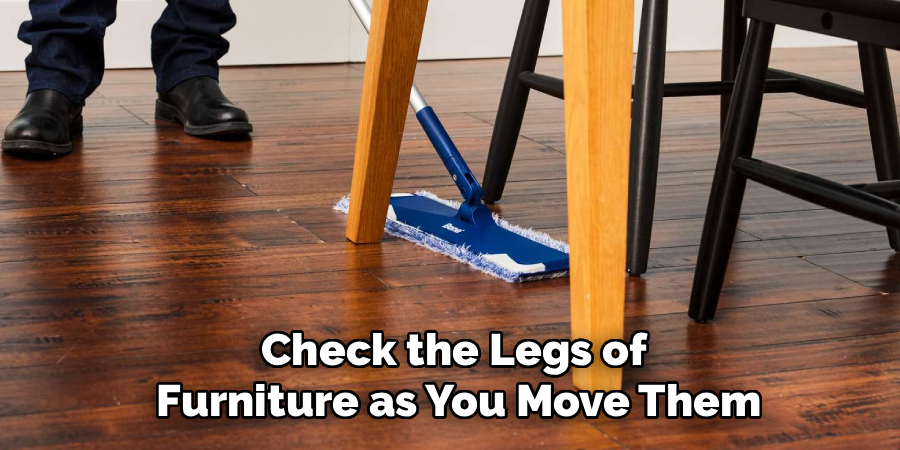
Check the legs of furniture as you move them. Add felt pads to any bare feet before you set them back down later. This small step saves your finish from future damage and makes the whole cleaning routine faster next time.
Step 2 – Sweep or Dust Mop
Start dry. Run a soft-bristle broom or microfiber dust mop across the entire floor before any liquid touches it.
Work in straight, overlapping rows so you don’t miss patches. You’ll feel the mop glide smoothly when the surface is clear and catch slightly where grit still sits. Push dust toward a central pile instead of scattering it into corners.
Fine grit is the biggest threat to your wear layer. Each particle grinds the finish under your shoes. A daily dust mop in high-traffic zones — entryways, kitchens, hallways — keeps that damage from building up. The floor should look matte-clean and feel smooth under your palm when you’re done.
Step 3 – Vacuum the Fine Grit
Sweeping misses the smallest particles wedged in plank seams. Vacuum next to pull them out.
Switch your vacuum to the hard-floor or bare-floor setting. This lifts the beater bar — that spinning brush designed for carpet — off the surface. Left down, it scratches the veneer and scatters debris. Listen for a steady hum rather than a rattling, slapping sound; the rattle means the brush is still spinning against your floor.
Move slowly along the grain and pay extra attention to grout-like gaps between planks and the baseboards. When you knowing how to clean engineered wood flooring at this level of detail, you stop grit before it ever scratches the finish.
Step 4 – Mix a pH-Neutral Cleaner
Wrong cleaners ruin floors. Mix only a pH-neutral solution made for engineered hardwood, following the label’s dilution ratio.
Fill one bucket with the cleaner mix and a second with plain water for rinsing your mop. Avoid vinegar, ammonia, bleach, and oil-based soaps. Vinegar is acidic and etches the protective coating over time, leaving a cloudy haze you can’t buff out.
The solution should smell mild, almost neutral — not sharp or chemical. If your eyes water from the fumes, it’s too strong for wood. A good cleaner cuts grime without stripping the finish, so your floor keeps its natural sheen instead of turning dull and patchy.
Step 5 – Damp Mop, Never Wet Mop
Water is the enemy of engineered hardwood. Use a barely damp microfiber mop, never a soaking one.
Dip the mop head, then wring it until no water drips. The head should feel cool and slightly moist, not heavy and dripping. Mist cleaner onto the mop with a spray bottle for even more control over moisture.
Mop in the direction of the wood grain, using long, smooth strokes. You should see a thin film of moisture that vanishes within a minute. If you see puddles or hear a wet squelching sound, your mop holds too much water. Standing moisture seeps into seams and swells the core, causing permanent warping you cannot reverse.
Step 6 – Spot-Treat Sticky Stains
Some messes resist a damp mop. Tackle dried spills, food, or scuffs by hand.
Dampen a soft microfiber cloth with warm water and a drop of your pH-neutral cleaner. Press it on the spot for a few seconds to soften the residue, then wipe gently along the grain. Never scrape with a knife or scouring pad — both gouge the wear layer instantly.
For scuff marks, a clean tennis ball or a pencil eraser lifts them without chemicals. You’ll watch the gray streak fade as you rub lightly. Knowing how to clean engineered wood flooring means treating trouble spots individually instead of drowning the whole floor in extra cleaner.
Step 7 – Dry the Floor Immediately
Don’t let it air dry. Wipe the floor down with a dry microfiber cloth right after mopping.
Work in the same direction you mopped, following the grain. The surface should turn from faintly damp to dry and smooth within seconds. Run your hand across it — it should feel cool and clean, never tacky or wet.
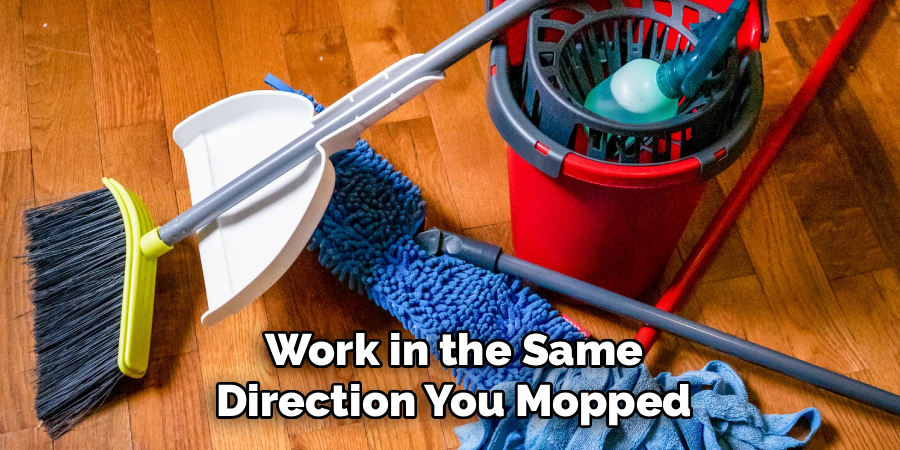
Open a window or run a fan to speed evaporation in humid rooms. Pay attention to low spots and seams where water lingers. Drying fast is the single best way to prevent moisture damage. A floor that dries quickly stays flat, sealed, and free of the cupping that ruins planks from the edges inward.
Step 8 – Replace Furniture and Protect
Finish by putting the room back together the smart way.
Wait until the floor is fully dry before returning furniture. Setting a heavy table on a damp surface traps moisture and leaves marks. Stick felt pads under every leg, and place a low-pile mat at each entrance to catch grit before it reaches the wood.
Lay area rugs in high-traffic paths, but use breathable rug pads designed for hardwood — rubber-backed mats can discolor the finish. Step back and check your work. The floor should reflect light evenly with no streaks, haze, or dull patches. That clean, consistent sheen tells you the job is done right.
Common Mistakes to Avoid
Too much water tops the list. Engineered hardwood tolerates a damp mop, but standing water is fatal. It slips into seams, swells the plywood core, and lifts plank edges into permanent cupping. Always wring your mop until it stops dripping, and dry the floor right after. If you can see puddles, you’ve already used too much.
Steam mops are another trap. The heat and pressure force moisture deep into the wood and often void your manufacturer’s warranty. Skip them entirely, no matter how convenient the marketing sounds.
Harsh cleaners cause slow, invisible damage. Vinegar, ammonia, bleach, and oil soaps strip or cloud the protective coating over months. Stick to a pH-neutral formula built for wood floors.
Many people also skip the dry-cleaning step and mop straight away. That drags grit across the finish like sandpaper, etching fine scratches with every stroke. Always sweep and vacuum first.
Finally, dragging furniture without felt pads gouges the wear layer in seconds — damage no cleaner can fix.
Expert Tips
Clean by zone, not by schedule. High-traffic areas like entryways and kitchens collect grit daily, while bedrooms stay clean for a week. Match your effort to the real wear pattern instead of mopping the whole house at once.
Test any new cleaner in a hidden spot first — under a couch or inside a closet. Wait a full day and check for haze or dulling before you use it across the room.
Keep humidity between 35 and 55 percent. Engineered hardwood expands and contracts with moisture in the air, and a simple hygrometer helps you catch problems early.
Buff with a dry microfiber pad after cleaning to restore shine without products. And always follow the grain — cleaning across it traps dirt in the seams and leaves visible streaks under direct light.
Frequently Asked Questions
How often should I clean engineered wood floors?
Dust mop high-traffic areas daily and the whole floor weekly. Damp mop every one to two weeks, or sooner if you see grime build up. Wipe spills the moment they happen. Frequent dry cleaning matters most — it removes the grit that scratches your finish, which causes far more long-term damage than occasional dirt or dust ever will.
Can I use a steam mop on engineered hardwood?
No. Steam mops force heat and moisture into the wood, swelling the core and damaging the finish. Most manufacturers void the warranty if you use one. Stick to a barely damp microfiber mop and a pH-neutral cleaner instead. The combination cleans just as well without risking the warping and delamination that steam causes over time.
What cleaner is safe for engineered wood flooring?
Use a pH-neutral cleaner made specifically for engineered or hardwood floors. These lift dirt without stripping the protective coating. Avoid vinegar, ammonia, bleach, and oil-based soaps — they etch or cloud the finish over time. When in doubt, check your floor manufacturer’s approved-products list, since some warranties require specific cleaners to stay valid.
How do I remove scratches from engineered wood?
Light surface scratches often disappear with a wax-free repair marker or a touch-up kit matched to your floor color. Clean the area first, then fill the scratch following the grain. Deep gouges that reach the core need professional repair or plank replacement. Prevent future scratches with felt pads, entry mats, and a strict no-shoes or no-grit policy indoors.
Why is my engineered wood floor looking dull?
Dullness usually comes from cleaner residue or a worn finish. Oil soaps and all-purpose sprays leave a film that traps dirt and kills shine. Switch to a pH-neutral cleaner and damp-mop to strip the buildup. If the dullness remains, the protective coating may be worn and need a manufacturer-approved recoat to restore the original sheen.
Conclusion
Clean floors start with the right routine. Sweep and vacuum first to clear grit, mop with a barely damp microfiber pad and a pH-neutral cleaner, then dry the surface immediately. That simple sequence protects your wear layer and keeps moisture out of the seams.
You now know how to clean engineered wood flooring without risking the damage that forces expensive refinishing or replacement. Skip the steam mop. Avoid vinegar and harsh sprays. Add felt pads and entry mats to stop scratches before they start.
These habits take minutes, not hours. Match your effort to traffic, watch your humidity, and treat spills the moment they land. Do that, and your floors stay smooth, bright, and warranty-safe for decades.
Engineered hardwood is one of the smartest investments in your home. Care for it correctly, and it rewards you with years of clean, natural beauty. Grab your microfiber mop, mix your cleaner, and give your floors the maintenance they deserve.
