
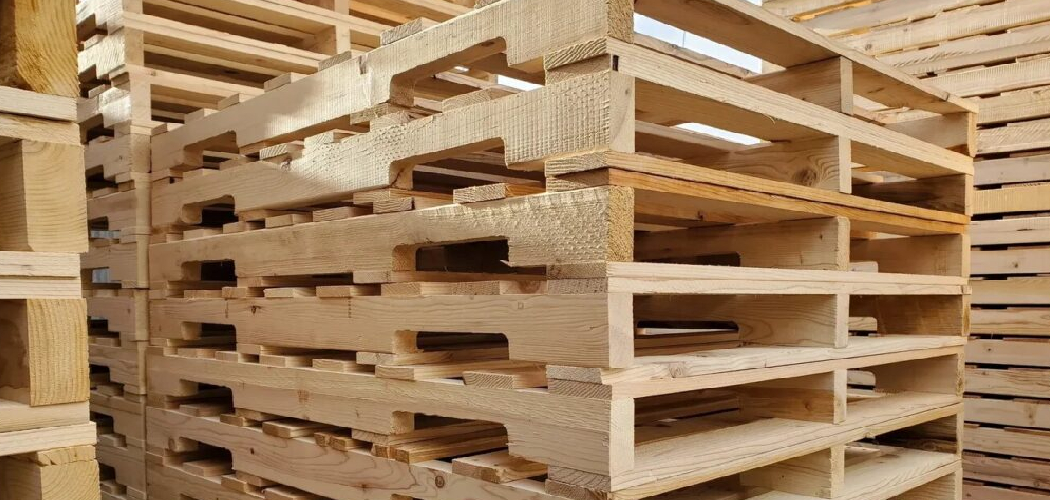
Wooden pallets pile up fast. One delivery turns into a stack in the garage, and soon you’re tripping over splintered wood you can’t use. The good news: getting rid of them is easier than you think. You have options that cost nothing, earn you cash, or feed your next DIY project. Learning how to dispose of wooden pallets the right way keeps your space clear, protects the environment, and saves you from illegal dumping fines.
Some pallets are safe to reuse. Others belong in recycling. A few should never touch your workshop. Knowing the difference matters before you make a single cut or drop one at the curb. This guide walks you through every method, step by step, so you clear your pile fast, safely, and without spending a dime you don’t have to.
Why This Matters
Tossing pallets in the trash wastes money and material. A single hardwood pallet holds enough usable lumber to build a shelf, a planter, or a small table. Throw it out, and you pay for what you could have used for free.
Disposal done wrong costs more than you expect. Many landfills charge by weight, and some cities fine you for dumping bulky wood with household waste. Burning treated pallets releases toxic fumes that damage your lungs and your property.
Handle pallets correctly, and you flip the equation. You sell good ones, recycle the rest, and turn scraps into projects worth real money. You also keep tons of reusable wood out of landfills. Master this skill once, and you never look at a pallet stack as a problem again.
Tools and Materials You’ll Need
Gather your gear before you start. The right setup makes sorting, breaking down, and hauling pallets quick and safe.
- Work gloves — protect your hands from splinters, nails, and rough edges.
- Safety glasses — shield your eyes from flying debris during teardown.
- Pry bar — separate boards from stringers without cracking the wood.
- Claw hammer — pull nails and knock joints apart fast.
- Reciprocating saw — cut through stubborn nails and split pallets down to size.
- Tape measure — check board lengths before you sort for reuse.
- Heavy-duty trash bags or bins — collect nails, splinters, and waste scraps.
- Truck, trailer, or large vehicle — haul whole pallets to a recycler or drop-off.
- Optional: pallet buster tool — pull boards off cleanly with less effort and fewer breaks.
Match your tools to your plan. Reuse needs careful teardown. Disposal just needs muscle and a way to haul.
Step-by-Step Guide on How to Dispose of Wooden Pallets
Step 1 – Check the Pallet Stamp
Read the pallet before you touch it. The stamp tells you whether it’s safe to handle or headed straight for the recycler.
Look for an IPPC logo branded into the side. Next to it, find a treatment code. “HT” means heat-treated — safe to reuse, burn, or repurpose. “MB” means methyl bromide, a chemical fumigant. Never reuse, cut, or burn an MB pallet. The fumes are toxic.
Run your fingers over the wood too. Oil stains, chemical smells, or sticky residue mean the pallet hauled something nasty. Set those aside for disposal only.
A clean HT stamp and dry, odor-free wood signal a pallet worth keeping. Anything questionable goes to recycling, not your workshop.
Step 2 – Sort by Condition
Split your stack into three piles. Sorting first saves hours later and tells you exactly how to dispose of wooden pallets in your specific batch.
Pile one: reusable. These are sturdy, clean HT pallets with no cracked boards or rot. They sell, donate, or build well.
Pile two: recyclable. These have broken slats, loose nails, or minor damage but no chemical contamination. They head to a recycler or scrap wood program.
Pile three: trash. Rotted, moldy, oil-soaked, or MB-stamped pallets go here. No exceptions.
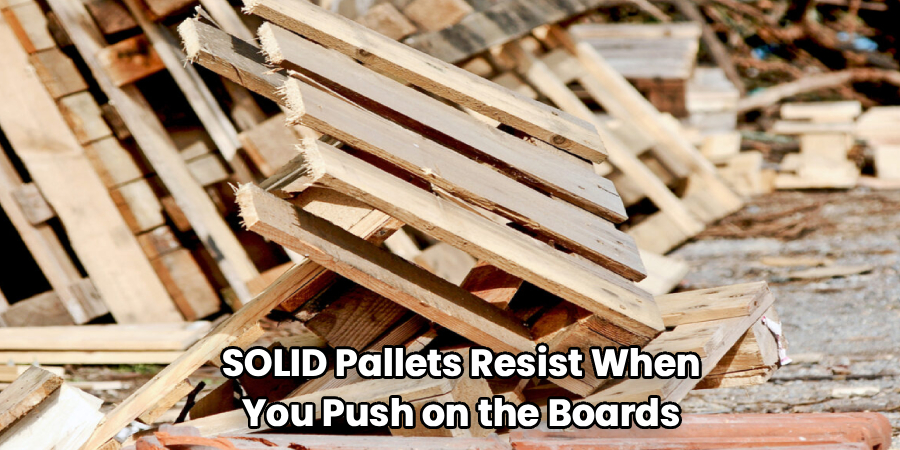
You’ll feel the difference as you handle each one. Solid pallets resist when you push on the boards. Bad ones flex, crumble, or leave grime on your gloves. Trust your hands and your nose.
Step 3 – List Reusable Pallets for Sale or Giveaway
Good pallets have value. Turn your best pile into cash or clear it fast through a giveaway.
Snap a few clear photos in daylight. Show the stamp, the overall shape, and any wear. Post them on local marketplace apps, community boards, or buy-nothing groups.
Standard 48-by-40-inch pallets move quickest because warehouses and crafters want them. Price them low, around a few dollars each, or offer them free for pickup to clear the stack in a day.
You’ll be surprised how fast they go. Gardeners, movers, and DIY builders watch these listings closely. Many will load the pallets themselves, saving you the hauling. One clear photo and a fair price empty your reusable pile overnight.
Step 4 – Contact a Pallet Recycler
Recyclers take pallets you can’t sell. Many pay you or accept them free, which beats paying landfill fees.
Search for “pallet recycling near me” or call local pallet companies directly. These businesses repair, resell, or grind pallets into mulch and biomass. Ask whether they buy, accept drop-offs, or offer pickup for large loads.
Some recyclers pay per pallet for repairable stock. Others take damaged wood at no charge. Either way, you avoid the dump and keep the wood in use.
Bundle similar pallets together before you go. A neat, sorted load gets unloaded faster and may earn you a better rate. You’ll drive away with an empty truck and often a few dollars in your pocket.
Step 5 – Use Municipal Wood Recycling
No recycler nearby? Your city likely has a wood waste program. Most accept clean, untreated pallets at transfer stations or drop-off centers.
Call your local waste department or check their website first. Confirm they take pallets and ask about size limits or fees. Many charge little or nothing for clean wood, since they chip it into mulch or compost.
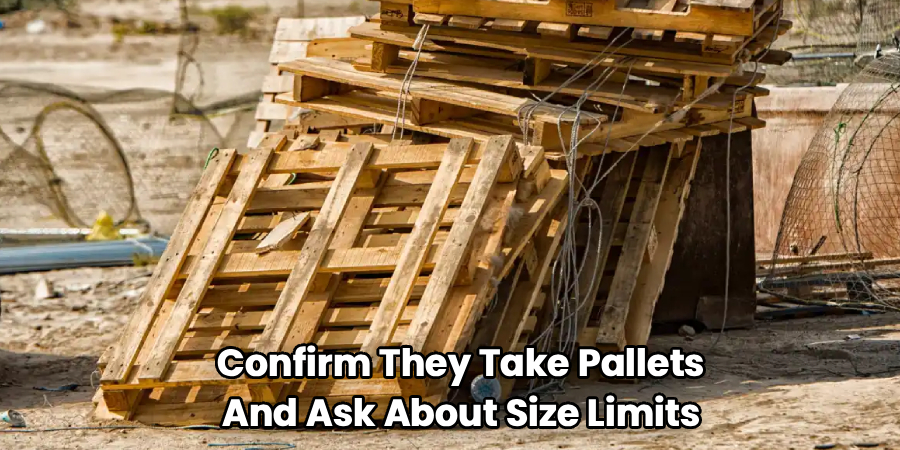
Break oversized pallets down if the facility requires smaller pieces. A reciprocating saw cuts a full pallet into haulable sections in minutes.
Keep your contaminated pile separate. Municipal programs reject oil-soaked or chemically treated wood. Bring only clean, untreated stock, and the drop-off goes smoothly. You’ll clear the wood responsibly without a private hauler’s price tag.
Step 6 – Break Down Pallets for DIY Projects
Why pay to dump wood you can build with? Tearing a pallet apart unlocks free lumber for shelves, planters, signs, and furniture.
Slide a pry bar or pallet buster under each board where it meets the stringer. Push down slow and steady. You’ll hear nails groan and pop as the board lifts free. Work along the joints to keep the wood from splitting.
Pull every nail with your claw hammer once the boards are loose. Run your hand along each plank to feel for hidden staples or splinters.
Stack your salvaged boards by length. Heat-treated pallets give you dry, weathered wood with character that buyers love in finished pieces. One broken pallet becomes your next project’s raw material.
Step 7 – Dispose of Damaged Wood Safely
Some wood can’t be saved. Rotted, moldy, or MB-stamped pallets need proper disposal, never reuse.
Bag the small scraps, nails, and splinters in heavy-duty bags so nothing pokes through. Set the larger contaminated pieces aside for your recycler’s trash stream or a licensed waste facility.
Never burn treated or chemically exposed pallets. The smoke carries toxins that harm your lungs and settle on your yard. Even in a backyard fire pit, the risk isn’t worth it.
Check your local rules for bulky wood pickup too. Many cities collect cut-down pallet pieces with yard waste if you bundle them. Tie the boards in manageable bundles, and the crew takes them at the curb. Safe disposal protects you, your family, and the people downwind.
Step 8 – Clean Up Your Work Area
The job isn’t done until the ground is clear. Loose nails and splinters cause injuries and flat tires long after the pallets are gone.
Sweep the entire area with a stiff broom. Run a magnetic sweeper over the ground if you have one — it grabs nails and staples you’ll never spot by eye.
Walk the space slowly and scan for stray hardware. A single nail in a driveway ruins a tire or a bare foot.
Toss every bit of debris into your trash bags. Wipe down your tools, check the pry bar and saw for damage, and store everything dry. A clean finish means your next pallet job starts fast and safe, with no surprises waiting in the gravel.
Common Mistakes to Avoid
The biggest mistake is reusing or burning MB-stamped pallets. Methyl bromide is a toxic fumigant, and heating or cutting that wood releases poison into your air. Always read the stamp first. If you see “MB,” that pallet goes to disposal only — never to your fire pit or workshop.
Another common error is skipping the condition check. People grab any pallet, drag it inside, and start building, only to find rot, mold, or chemical stains halfway through. Inspect every board, smell the wood, and check for oily residue before you commit to reuse.
Many beginners also dump pallets in household trash. Most cities ban bulky wood in regular bins and fine you for it. Call your waste department or a recycler first. The legal route is usually cheaper and often free.
Rushing the teardown ruins good lumber too. Force a pry bar, and boards crack down the middle. Work slowly along the nail line, and you save full-length planks worth keeping.
Finally, plenty of people leave nails scattered behind. Those hidden spikes flatten tires and pierce feet for weeks. Sweep with a magnet and clear every scrap before you call the job finished.
Expert Tips
Buy a dedicated pallet buster if you tear down wood often. It pulls boards off in one clean motion, saving you cracked planks and a sore back. The tool pays for itself after ten pallets.
Stockpile your best HT boards in a dry spot. Weathered pallet wood with a clean stamp sells for a premium to crafters and earns more as a finished piece than as scrap.
Build a relationship with one local recycler. Regular drop-offs often get you better rates and faster turnarounds than calling around each time.
Keep a magnetic sweeper in your truck. The fastest pros clear nails in a single pass instead of crawling the ground by hand.
When in doubt about a stamp or a stain, recycle it. The few dollars you might earn never outweigh the health risk of bad wood.
Frequently Asked Questions
Are Wooden Pallets Free to Get Rid Of?
Often, yes. Pallet recyclers usually accept clean pallets at no charge, and some even pay you for repairable stock. Municipal wood programs take untreated pallets for little or no fee. Selling or giving away good pallets costs nothing and clears your stack fast. Avoid household trash bins, since many cities charge bulky-waste fees or fines for dumping wood there.
How Do I Know If a Pallet Is Safe to Reuse?
Check the stamp first. An “HT” code means heat-treated and safe to reuse, cut, or burn. An “MB” code means chemically fumigated — never reuse it. Beyond the stamp, inspect for rot, mold, oil stains, and chemical smells. A safe pallet is dry, odor-free, structurally solid, and shows a clear IPPC heat-treatment mark on the side.
Can I Burn Old Wooden Pallets?
Only heat-treated (HT) pallets that are clean and untreated are safe to burn. Never burn MB-stamped, painted, stained, or chemically exposed pallets. Those release toxic fumes that harm your lungs and settle on your property. Even then, check local fire rules and air-quality regulations before lighting anything. When you’re unsure about a pallet’s history, recycle it instead of burning it.
Where Can I Recycle Wooden Pallets Near Me?
Start with local pallet companies — search “pallet recycling near me” and call directly. Many repair, resell, or grind pallets for mulch and accept drop-offs free. Your city’s transfer station or wood waste program is the next option for clean, untreated pallets. Both routes keep wood out of landfills and usually cost far less than bulky-waste collection or private hauling.
What Can I Build From Recycled Pallet Wood?
Plenty. Heat-treated pallet boards make shelves, planters, garden beds, coffee tables, headboards, wall art, and rustic signs. The weathered grain adds character buyers love in finished pieces. Tear the pallet down carefully, pull every nail, and sand the boards before building. One standard pallet yields enough usable lumber for a small shelf or a sturdy planter box.
Conclusion
Clearing a pallet pile comes down to a simple sequence: read the stamp, sort by condition, then reuse, recycle, or dispose of each one the right way. Sell your best pallets, hand the rest to a recycler, save clean boards for projects, and bag the bad wood for safe disposal.
Knowing how to dispose of wooden pallets turns a cluttered headache into a clear win. You keep your space open, dodge landfill fees and fines, and often earn cash or free lumber along the way. The whole job takes one afternoon and a handful of basic tools.
Keep the rules simple. HT pallets are safe. MB pallets are not. When in doubt, recycle. Sweep every nail before you finish, and your next job starts clean.
Grab your gloves and start sorting that stack today. Read one stamp, make three piles, and clear the first load. Once you see how fast a pallet problem disappears, you’ll handle the next stack without a second thought.
