
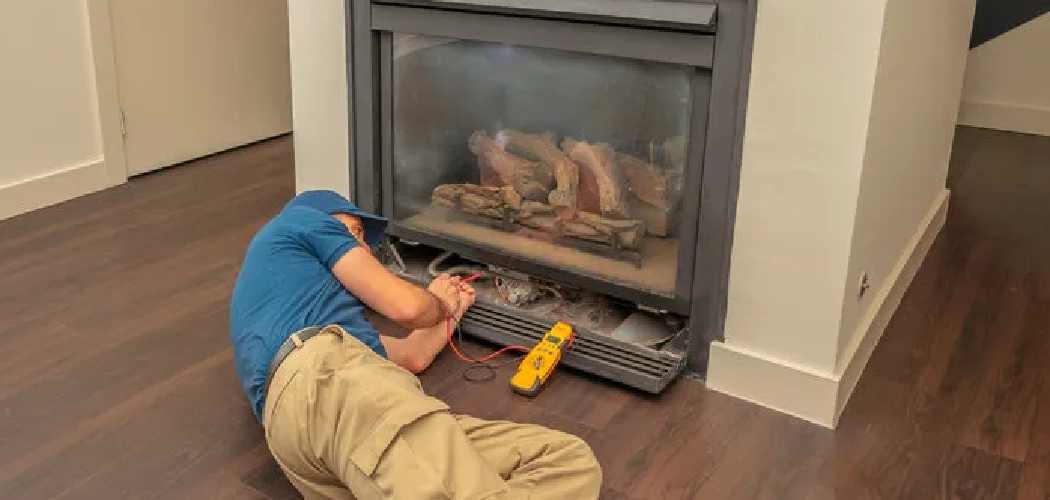
Look at your stove door right now. That hazy brown film? It crept up on you. One cold morning the fire was crisp and bright. A few weeks later, you can barely see the flames. That is how soot works. Quiet. Slow. Then suddenly your beautiful wood-burning stove looks neglected.
Here is the good news. You do not need harsh chemicals or expensive tools. Learning how to clean burnt wood stove glass takes about fifteen minutes and a few things already in your kitchen. The black scorch marks lift away faster than you think.
This guide walks you through every step, from cooling the stove safely to polishing the ceramic glass until the firelight shines through again.
Why Cleaning Your Wood Stove Glass Matters
Dirty glass is not just an eyesore. It is a warning sign.
Soot buildup blocks heat. It hides cracks. It tells you the fire is burning cooler than it should, which feeds creosote into your chimney. That is a fire risk you cannot see.
Clean glass does three things for you. It lets you watch the flames, which helps you judge how the fire is breathing. It protects the ceramic panel from etching, because baked-on residue scratches when you finally scrub it. And it stretches the life of your stove, saving you the cost of replacing a warped or pitted door.
You also build a skill. Once you understand why glass blackens, you start burning smarter. Less soot. Cleaner fires. Lower bills. That confidence is worth more than the fifteen minutes you spend.
Tools and Materials You’ll Need
Gather everything before you start. Nothing kills momentum like hunting for paper towels mid-job.
- Cold wood ash — the gentle, free abrasive that does most of the work
- A bowl of warm water — for dampening cloths and rinsing
- Microfiber cloths — two or three, lint-free and soft
- Old newspaper — for scrubbing and final buffing
- White vinegar — cuts grease and loosens stubborn film
- Rubber gloves — to keep ash and grit off your hands
- A plastic scraper or razor blade holder — for the worst baked-on spots
- A drop cloth or towel — to catch ash on the hearth
- Commercial fireplace glass cleaner (optional) — handy for heavy creosote stains when you want extra speed
Skip the abrasive scouring pads. Skip ammonia near a warm stove. The ash-and-newspaper method handles most jobs on its own.
Step-by-Step Guide on How to Clean Burnt Wood Stove Glass
Follow these steps in order. Each one builds on the last. Rushing the early steps makes the later ones harder.
Step 1 – Let the Stove Cool Completely
Patience first. Never touch warm stove door glass.
Ceramic glass holds heat long after the flames die. Touch it too soon and you risk a burn, or worse, you crack the panel with cold water. The sudden temperature shock is brutal on glass.
Wait until the stove is stone cold. The morning after a fire is ideal. Press the back of your hand near the door, an inch away, and feel for any warmth rising. If you sense heat, walk away and give it another hour.
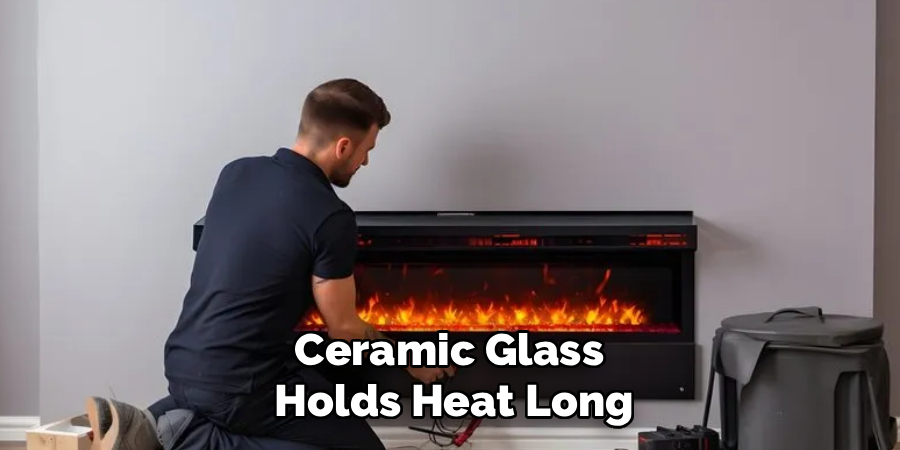
Cold glass also lets the cleaning agents work properly. Warm surfaces dry your cloth in seconds, leaving streaks. So this single habit, learning how to clean burnt wood stove glass only when cold, sets you up for a clean, streak-free finish every time.
Step 2 – Lay Down Your Drop Cloth and Open the Door
Protect the area before you make a mess. Ash travels.
Spread your drop cloth or old towel across the hearth and floor in front of the stove. Catch the loose ash now and you save yourself a second cleanup later.
Open the stove door slowly. You may hear a soft creak from the hinge and catch that familiar smoky smell. Wedge it open or remove it fully if your model allows, so you can work flat. Working on a vertical surface lets gravity drag your cloth down in streaks.
Pull on your rubber gloves. Wipe out any loose ash residue from the firebox floor with a dry cloth, but leave a little ash in a separate bowl. You are about to put it to work.
Step 3 – Vacuum or Brush Loose Ash and Debris
Clear the dust before you add water. Mixing dry ash with moisture too early makes a gray paste that smears everywhere.
Use a soft brush or a vacuum with a hose attachment to lift loose ash from the glass and the door frame. Listen for the gritty rasp of fine particles moving. That sound means you are pulling away the powder that would otherwise muddy your cloth.
Pay attention to the corners and the rubber gasket seal. Soot collects there and gets missed. A dry paintbrush works well to flick it out.
Run your finger along the glass. If it comes away black and powdery, you are ready for the next step. If it smears greasy, that is creosote, and it needs the damp method coming up.
Step 4 – Make Your Ash Paste
This is the trick that surprises every beginner. Wood ash cleans glass beautifully.
Ash contains fine calcium carbonate, a mild abrasive that scrubs without scratching. It is the same gentle grit found in many polishes, except it is free and already sitting in your firebox.
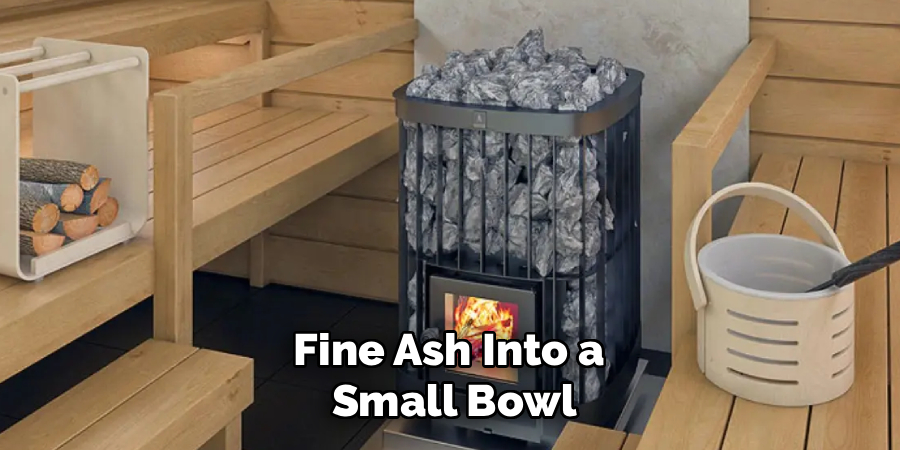
Scoop a tablespoon of cold, fine ash into a small bowl. Sift out any charcoal chunks or nails, because hard debris will gouge the ceramic glass. Add a few drops of warm water and stir until you get a thin gray paste, about the texture of wet sand.
It should cling to a cloth without dripping. Too runny and it slides off. Too thick and it drags. Adjust with a splash of water or a pinch more ash until it feels right between your fingers.
Step 5 – Scrub the Glass in Small Circles
Now the satisfying part. Watch the black lift away.
Crumple a sheet of damp newspaper, dip it into your ash paste, and press it against the worst scorch marks. Work in small, tight circles. You will feel a faint grit under your hand and hear a soft scrubbing whisper against the glass.
Apply steady, even pressure. Do not gouge. Let the abrasive do the work, not your muscle. Within seconds the brown film turns into gray streaks, which is exactly what success looks like.
Re-dip often and keep the surface damp. Cover the whole panel, then go back over the stubborn corners near the gasket. This ash method is the heart of how to clean burnt wood stove glass, and it handles ninety percent of everyday soot buildup with ease.
Step 6 – Tackle Stubborn Creosote Stains
Some marks fight back. Those hard, glassy brown patches are creosote, baked on by a cool fire.
Spray a little white vinegar straight onto the spot and let it sit for two or three minutes. You may see the surface darken as it loosens. The vinegar softens the residue so you do not have to scrub like you are sanding wood.
Return with your ash paste and work the area again. For the toughest flecks, hold a plastic scraper or a razor blade at a low angle, almost flat against the glass, and ease it forward. Listen for a faint click as the deposit releases.
Never dig the blade in upright. That chips ceramic glass. Light, patient passes win here, not force.
Step 7 – Rinse and Wipe Down
Clear the slurry away before it dries. Dried ash leaves a chalky haze.
Dampen a clean microfiber cloth with warm water and wipe the entire panel from top to bottom. You will lift off a gray, gritty film, and the cloth will come away dark. Rinse the cloth in your bowl and repeat until the water runs mostly clear.
Change to a fresh section of cloth as it loads up. A dirty cloth just redistributes the mess.
Run your fingertip across the glass. It should feel smooth and slick, with no sandy residue catching your skin. If you still feel grit, wipe once more. This rinse step decides whether your final buff shines or smears, so do not cut it short.
Step 8 – Buff Until It Shines
The finishing touch. This is where dull glass turns into a clear window.
Take a dry sheet of newspaper or a fresh microfiber cloth and buff the glass in firm, sweeping strokes. Newspaper is mildly abrasive and lint-free, so it polishes without leaving fuzz behind. You will hear a clean squeak as the surface dries.
Hold the door at an angle to the light and check for streaks. Catch them while the glass is fresh and give those spots one more pass.
Close the door, step back, and look through it. The firelight should pour through clear ceramic glass with no haze. That crisp, transparent view is your reward, and it means your wood-burning stove maintenance is paying off.
Common Mistakes to Avoid
The biggest mistake is cleaning warm glass. You feel impatient, you splash cold water on a hot panel, and the thermal shock cracks it. A new ceramic glass panel costs far more than a night’s wait. Always start cold.
The second mistake is reaching for abrasive scouring pads or steel wool. They feel powerful, but they leave fine scratches that trap soot faster and dull the surface forever. Those scratches never come out. Stick with soft cloths, newspaper, and ash paste, which clean without harming the glass.
Many beginners also burn wet or unseasoned wood, then wonder why the glass blackens within a day. Green wood smolders, throws creosote, and coats your door in sticky brown film. Clean glass starts with dry, seasoned wood and a hot, well-fed fire.
Another common slip is harsh chemical overkill. Ammonia and oven cleaner can damage the gasket seal and the door’s finish, and the fumes linger in your home. You rarely need them.
Finally, people forget the gasket. Soot packs into that rubber seal and leaks air, which cools your fire. Brush it out every time.
Expert Tips
Here is what separates a pro from a beginner. Timing.
Wipe your glass with a dry cloth after every second or third fire. A ten-second swipe stops soot from baking into hard creosote, so you almost never face a deep scrub again. Small habits beat big cleanups.
Burn your fire hotter at startup. A roaring fire for the first twenty minutes keeps the glass above the temperature where soot sticks. This is called the air-wash effect, and most modern stoves are built around it.
Check your air-wash vents too. That thin channel along the top of the door blows clean air down across the glass. If it clogs with ash, your glass blackens no matter how well you clean. Keep it clear.
And keep a jar of sifted ash by the stove. Free cleaner, always ready.
Frequently Asked Questions
Can I Use Newspaper and Ash on Any Wood Stove Glass?
Yes, the ash-and-newspaper method works on nearly all ceramic stove door glass and most fireplace glass. It is gentle, free, and effective for everyday soot. Just sift out charcoal chunks and nails first, since hard debris scratches. If your manufacturer lists specific cleaning restrictions, check the manual, but the ash method is safe for the vast majority of wood-burning stoves.
How Often Should I Clean My Stove Glass?
It depends on how you burn. With dry, seasoned wood and hot fires, a light wipe every week keeps it clear. If you burn often or notice film building, do a quick dry-cloth swipe after every few fires. A full ash-paste clean once a month suits most households. Cleaning little and often beats waiting for thick, baked-on creosote.
Why Does My Glass Turn Black So Quickly?
Fast blackening usually means a cool fire or damp wood. Unseasoned, wet logs smolder instead of burning hot, releasing creosote that coats the glass. A clogged air-wash vent makes it worse, since clean air no longer sweeps the surface. Burn dry wood, start with a hot fire, and keep the top air vents clear, and your glass will stay clearer far longer.
Is It Safe to Use a Razor Blade on Ceramic Glass?
Used carefully, yes. Hold the blade almost flat against the glass and ease it forward in light passes to lift stubborn creosote. Never dig in at a steep angle, since that chips the surface. Always soften the deposit first with vinegar or ash paste. Reserve the blade for the worst spots only, and let patience, not force, do the work.
Can I Use Regular Window Cleaner Instead?
Standard window cleaner struggles with baked-on soot and creosote, so it usually smears rather than cleans. A dedicated fireplace glass cleaner handles heavy stains far better. For routine grime, though, the ash paste outperforms most sprays and costs nothing. If you reach for any chemical product, apply it to cold glass, ventilate the room, and keep it off the gasket seal.
Conclusion
Clean glass is not luck. It is a habit.
You now know how to clean burnt wood stove glass start to finish. Let the stove cool. Brush away loose ash. Scrub with a simple ash paste. Soften creosote with vinegar, rinse the slurry, then buff until the firelight shines through clear ceramic glass again. Fifteen minutes. No harsh chemicals. No special tools.
But the real win comes after the scrub. Burn dry, seasoned wood. Start hot. Keep the air-wash vents clear. Wipe the glass every few fires. Do those small things and you spend less time cleaning and more time watching the flames.
Your stove rewards attention. A clear door means a healthier fire, a safer chimney, and a stove that lasts for years.
So go look at that door again. Grab a jar of ash and a sheet of newspaper. Give it fifteen minutes this weekend. Will you?
