
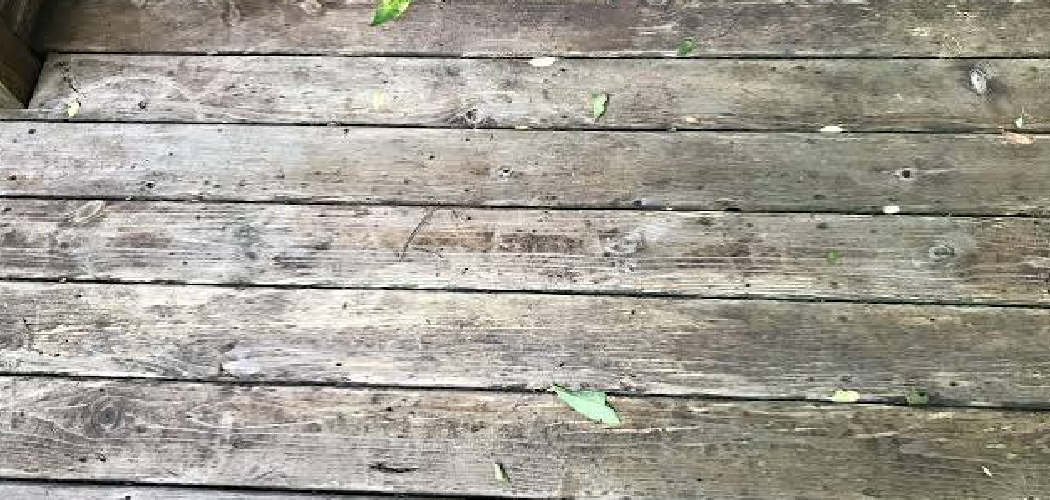
That musty smell and the gray-green fuzz spreading across your favorite dresser? That’s mildew, and it spreads fast. Left alone, it eats into the finish, stains the wood beneath, and turns a simple fix into a costly refinishing job. The good news: you can stop it today with items you already own. Learning how to clean mildew from wood furniture takes one afternoon and protects pieces worth far more than the few dollars you’ll spend on supplies.
You don’t need a pro or harsh industrial chemicals. You need the right method, in the right order, done with care. This guide walks you through every step — from spotting the damage to sealing out future growth — so you can clear the mildew safely and keep it gone.
Why Cleaning Mildew From Wood Furniture Matters
Mildew is not just ugly. It’s active fungal growth feeding on dust, moisture, and the wood itself. Ignore it, and it digs past the finish into the grain, leaving permanent black stains that no surface cleaner can lift.
Fix it early and you save money. A bottle of vinegar costs a few dollars. Professional refinishing costs hundreds. The math favors fast action.
There’s a health angle too. Mildew releases spores that irritate your lungs, eyes, and sinuses, especially in closed rooms. Clearing it improves the air you breathe.
You also gain confidence. Once you know which solutions kill mold on wood and which ones wreck the finish, you stop fearing every musty corner. You handle the problem yourself — quickly, cleanly, and for good.
Tools and Materials You’ll Need
Gather everything before you start. Stopping mid-job to hunt for supplies lets spores settle back onto cleaned areas.
- Protect your lungs and skin – an N95 mask and rubber gloves
- Move the job outdoors – or open windows for strong airflow
- Lift loose spores safely – a vacuum with a HEPA filter and brush attachment
- Kill the mildew – white vinegar in a spray bottle
- Clean stubborn patches – mild dish soap and warm water
- Wipe and dry – three or four soft microfiber cloths
- Reach tight grooves – a soft-bristled toothbrush
- Treat deep stains – a small tub of oxygen bleach (not chlorine bleach)
- Reseal and protect – quality furniture wax or wood oil
- (Optional) Speed up drying – a small fan or dehumidifier for faster, deeper results
Step-by-Step Guide on How to Clean Mildew From Wood Furniture
Step 1 – Move the Piece to a Ventilated Space

Take the furniture outside if you can. Mildew releases spores the moment you disturb it, and you don’t want them spreading through your home. A shaded patio or open garage works best. Direct sunlight helps kill spores, but harsh midday rays can fade some finishes, so aim for bright shade.
If you must work indoors, open every window and run a fan pointed away from clean rooms. Put on your N95 mask and gloves now, before you touch anything.
You’ll likely catch that damp, earthy smell as you move the piece. That’s your signal the fungal growth is active. Good airflow protects your lungs and stops spores from resettling on surfaces you’re about to clean.
Step 2 – Vacuum Loose Spores First
Never wipe dry mildew with a cloth. You’ll smear it deeper into the grain and push spores into the air. Instead, reach for a vacuum with a HEPA filter and a soft brush attachment.
Hold the nozzle close, but let the brush barely kiss the surface. Work slowly across every affected area, including drawer edges, carved details, and the underside. You’ll see the fuzzy gray-green film lift away into the canister.
Listen for a steady, even hum. If the suction sputters, the filter is clogging with spores — empty it outside, not over your kitchen bin. When you finish, the surface should look matted and dull rather than fuzzy. That flat texture tells you the loose growth is gone and you’re ready for the wet work.
Step 3 – Mix Your Cleaning Solution
White vinegar is your best first weapon. It kills roughly 80 percent of mold and mildew species, and it won’t strip most wood finishes the way bleach does. Pour undiluted white vinegar into a clean spray bottle for active patches.
For lighter surface buildup, mix a second solution: warm water with a few drops of mild dish soap. Swirl it until you see a thin layer of suds, not a foamy bath. This gentler blend handles grime and faint film without soaking the wood.
Keep both within reach. The trick to how to clean mildew from wood furniture is matching the solution to the severity — vinegar for living growth, soapy water for the lighter residue left behind. Strong enough to kill, gentle enough to protect.
Step 4 – Treat the Mildew With Vinegar

Spray the vinegar directly onto the affected areas until lightly coated, not dripping. Let it sit for 10 to 15 minutes. This dwell time matters — vinegar needs contact time to kill the fungal growth at the root, not just the surface you can see.
You’ll smell that sharp, sour bite. That’s normal and fades as it dries. While it works, the acid breaks down the mildew’s grip on the finish.
After the wait, wipe gently along the wood grain with a damp microfiber cloth. Watch the gray-green color transfer onto the cloth. Rinse the cloth often in clean water so you’re lifting mildew away, not spreading it. A properly treated section looks clean and even, with no fuzzy patches clinging to the corners.
Step 5 – Scrub Stubborn Spots Gently
Some mildew digs into carved grooves, joints, and porous end grain where a flat cloth can’t reach. This is where your soft-bristled toothbrush earns its place.
Dip the brush in your vinegar or soapy solution and work it into the detailed areas using small, light circles. Keep the pressure gentle. You want to loosen the growth, not gouge the finish or flood the wood with moisture.
You’ll hear a soft, quiet scrubbing sound and feel the grime release under the bristles. Take your time on decorative edges and around hardware, where dark lines of mildew love to hide. Rushing here leaves shadowy streaks that make the whole piece look dirty even after the flat surfaces shine. Wipe each spot clean as you go.
Step 6 – Tackle Deep Stains With Oxygen Bleach
Sometimes mildew leaves black or gray stains soaked into the wood after the growth is gone. Reach for oxygen bleach, never chlorine bleach. Chlorine eats finishes and can leave its own white marks, while oxygen bleach lifts stains without harming most wood.
Mix it with water per the label, then dab the paste onto the stained area with a cloth or brush. Let it sit 10 to 15 minutes. You’ll watch the dark patch slowly lighten as it works.
Wipe it away with a damp cloth and check your progress. Deep stains may need a second pass. If the mark sits in bare, unfinished wood and won’t budge, it has reached too far and will need sanding — a job for the repair stage, not cleaning.
Step 7 – Dry the Furniture Completely
Moisture is what invited mildew in the first place, so drying is non-negotiable. Grab a fresh, dry microfiber cloth and buff the entire surface along the grain until no dampness remains.
Don’t stop at what your eyes see. Run your hand across the wood. Any cool, slightly tacky feel means moisture is still trapped, so keep going. Pay special attention to grooves, joints, and the undersides where water pools and hides.
Then let it air out fully. Position a fan nearby or run a dehumidifier to pull lingering moisture from deep in the grain. Leave the piece in dry airflow for several hours, or overnight for thick solid wood. A fully dried surface looks matte and even, with no damp sheen — proof the fungal growth has nothing left to feed on.
Step 8 – Reseal and Protect the Wood
Bare or cleaned wood is vulnerable wood. Sealing it back up locks out moisture and starves future mildew before it starts. Once the piece is bone dry, apply a quality furniture wax or wood oil to restore the finish and build a protective barrier.
Pour a small amount onto a clean cloth, never directly on the wood. Rub it in with circular motions to work it into the grain, then finish with long strokes following the grain direction. You’ll watch the color deepen and the surface come alive.
Apply thin and even — too much leaves a sticky film that traps dust. Buff with a dry cloth until it feels smooth and glassy. Knowing how to clean mildew from wood furniture means finishing the job here, sealed and protected.
Common Mistakes to Avoid
The biggest mistake is reaching for chlorine bleach. People assume bleach kills everything, but on wood it’s a trap. Chlorine sits on the surface, fails to penetrate the grain where mildew roots live, and strips or discolors the finish in the process. Oxygen bleach or plain white vinegar does the job without the damage.
Another common error is wiping dry mildew before vacuuming. A dry wipe smears the growth deeper into the grain and launches a cloud of spores into the air you’re breathing. Always vacuum loose spores with a HEPA filter first, then go wet.
Soaking the wood is just as harmful. Mildew thrives on moisture, so flooding the surface with solution feeds the exact problem you’re fighting. Use a damp cloth, not a dripping one, and dry thoroughly afterward.
Skipping protective gear is a mistake your lungs will remember. Spores irritate airways and eyes, especially indoors. Wear an N95 mask and gloves every time.
Finally, many people clean the mildew and walk away without resealing. Bare wood absorbs humidity fast, and the mildew returns within weeks. Always finish with wax or oil to seal the surface.
Expert Tips
Pros treat humidity as the real enemy. Mildew can’t grow below 50 percent relative humidity, so a small dehumidifier in a damp room does more long-term good than any cleaner. Keep indoor levels between 40 and 50 percent.
Air circulation matters just as much. Pull furniture a few inches off walls so air moves behind it. Stagnant pockets are where mildew quietly takes hold.
Toss a few silica gel packs or a charcoal bag inside drawers and cabinets. They absorb trapped moisture and kill that musty smell at the source.
Catch it early. The moment you spot faint film or smell that damp odor, treat it. Mildew handled in week one wipes off in minutes. Mildew ignored for a month soaks into the grain and may need sanding to remove.
Frequently Asked Questions
Does Vinegar Really Kill Mildew on Wood?
Yes. White vinegar kills around 80 percent of common mold and mildew species, and it’s safe for most wood finishes. Spray it undiluted on the affected area, let it sit 10 to 15 minutes so the acid penetrates the growth, then wipe along the grain. For lingering patches, repeat the treatment. Always dry the wood completely afterward, since leftover moisture invites the mildew straight back.
Can I Use Bleach to Remove Mildew From Furniture?
Use oxygen bleach, not chlorine bleach. Chlorine bleach stays on the surface, fails to reach mildew rooted in the grain, and strips or discolors wood finishes. Oxygen bleach lifts deep black stains without that damage. Mix it with water per the label, apply for 10 to 15 minutes, then wipe clean. For active growth rather than stains, white vinegar remains the safer, more effective first choice.
How Do I Stop Mildew From Coming Back?
Control moisture and you control mildew. Keep indoor humidity between 40 and 50 percent with a dehumidifier in damp rooms. Pull furniture away from walls so air circulates behind it. Drop silica gel or charcoal packs inside drawers and cabinets. Most important, reseal cleaned wood with wax or oil to block moisture from soaking in. Mildew needs damp, still air — remove both and it has nowhere to grow.
Is Mildew on Furniture Dangerous to My Health?
It can be, especially indoors. Mildew releases spores that irritate your lungs, eyes, sinuses, and skin, and they hit harder for anyone with asthma or allergies. That’s why you wear an N95 mask and gloves and work in a ventilated space. Clearing the growth and improving airflow protects the air you breathe. If growth covers a large area, consider a professional assessment.
What if the Mildew Stain Won’t Come Out?
If oxygen bleach and a second treatment still leave a dark mark, the stain has soaked into bare wood beneath the finish. At that point, cleaning alone won’t fix it. Lightly sand the area to remove the stained layer, then refinish with matching stain and a protective sealer. Sanding is your last resort, so try vinegar and oxygen bleach fully before reaching for sandpaper.
Conclusion
Mildew looks alarming, but you now have a clear path to beat it. The method holds together through every stage: move the piece to fresh air, vacuum loose spores, treat active growth with vinegar, lift deep stains with oxygen bleach, dry the wood fully, then reseal it against the next outbreak. Done in order, knowing how to clean mildew from wood furniture turns a frustrating problem into a one-afternoon fix.
The real win is what happens next. Control the moisture, keep air moving, and seal your wood, and the mildew stays gone for good. Catch new growth early and it wipes off in minutes instead of demanding a full refinishing job.
So put on your mask, mix that vinegar, and give your furniture the rescue it needs. Protect the pieces you love, breathe cleaner air, and trust that you can handle the next musty corner yourself — quickly, safely, and with confidence.
