
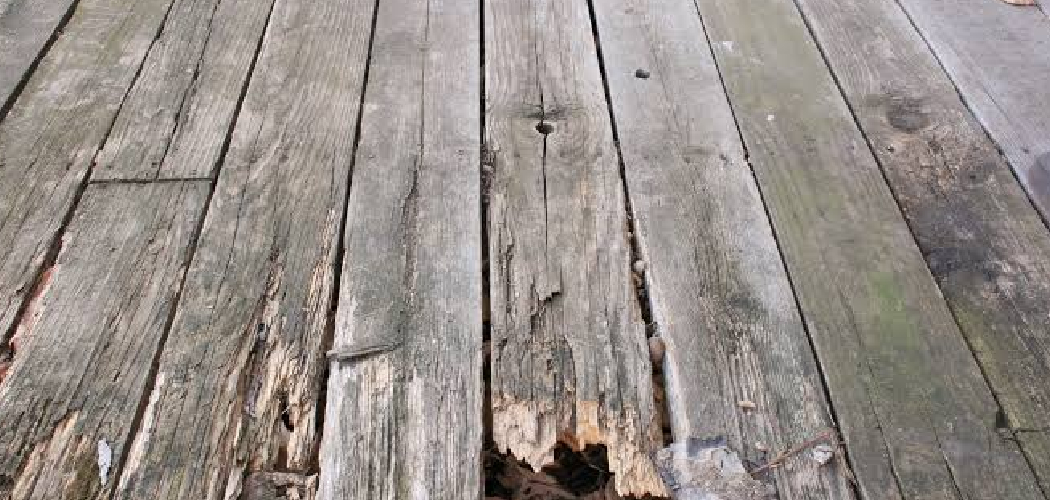
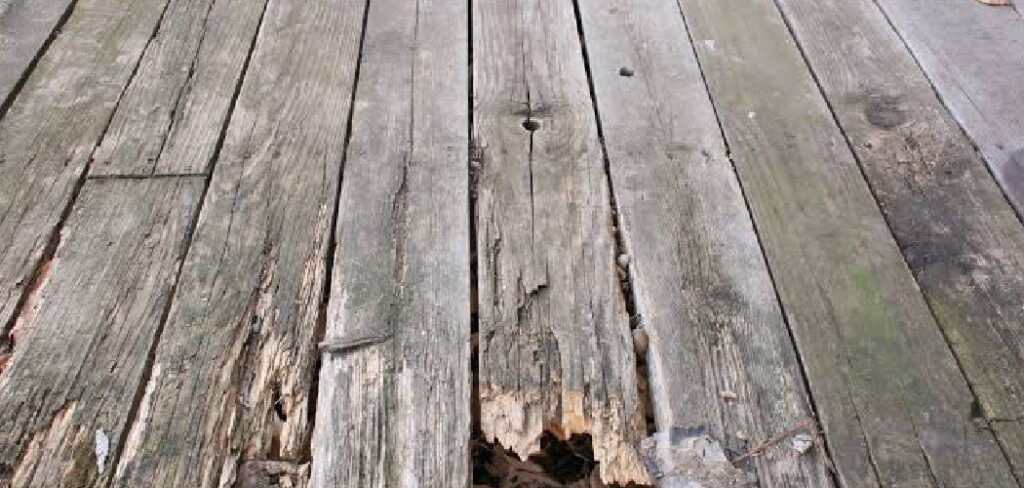
Tearing out a worn-out deck feels great until you’re standing in a pile of splintered boards, wondering where it all goes. That heap of gray, weathered lumber won’t fit in your weekly trash bin, and you can’t just burn it in the backyard. Knowing how to dispose of old deck wood the right way saves you from fines, protects the environment, and might even put a little money back in your pocket. Some of those boards could become garden beds, furniture, or firewood, while others need careful handling because of the chemicals they hold.
This guide walks you through every step, from sorting your lumber to choosing the best disposal method, so you can clear out that old deck safely, legally, and without the headache.
Why Proper Deck Wood Disposal Matters
Old decking isn’t ordinary scrap wood. Most decks built before the mid-2000s used pressure-treated lumber soaked in chemical preservatives, and dumping it carelessly can leach those chemicals into soil and water. Burning it is worse, releasing toxic smoke you never want to breathe.
Handling disposal correctly keeps you on the right side of local regulations. Many areas ban treated lumber from regular landfills or charge extra fees, and ignoring those rules can mean stiff penalties.
There’s an upside too. Sorting your boards lets you recycle, donate, or repurpose the good ones, cutting your hauling costs and waste. You build real confidence tackling demolition projects when you know what to keep, what to toss, and how to do it responsibly. That knowledge pays off on every future project.
Tools and Materials You’ll Need
Gather your gear before you start swinging a hammer. The right tools make deck demolition faster, safer, and far less frustrating.
- Pry bar and claw hammer – pop boards loose and pull stubborn nails
- Reciprocating saw – cut long boards into manageable lengths
- Cordless drill – back out deck screws without splitting wood
- Heavy-duty work gloves – protect hands from splinters and rusty fasteners
- Safety glasses and dust mask – guard against flying debris and sawdust
- Magnetic nail sweeper – clear loose nails from your yard afterward
- Tarp or wheelbarrow – haul broken boards to your sorting pile
- Sturdy contractor bags or bins – contain smaller scraps and splinters
- Marker and labels – sort piles for recycling, donation, or trash
- (Optional) Rented dumpster – handles large loads in one convenient sweep
Step-by-Step Guide on How to Dispose of Old Deck Wood
Step 1 – Inspect the Wood and Identify the Type
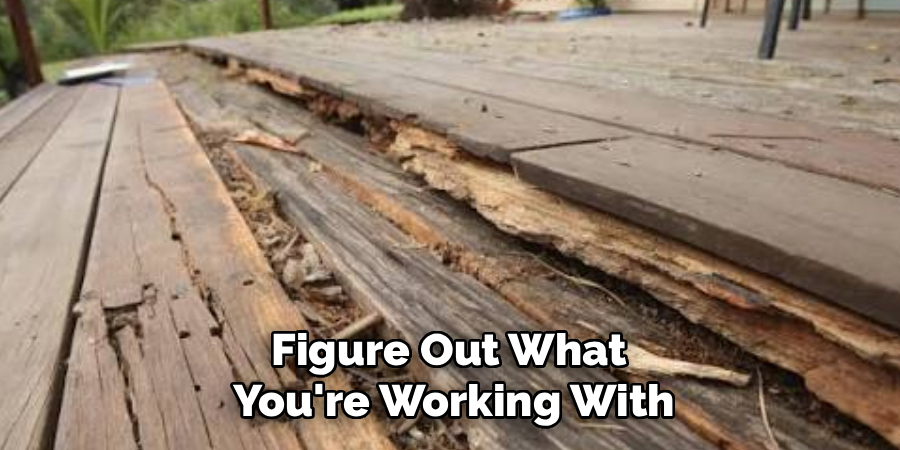
Before you toss a single board, figure out what you’re working with. Run your hand along the wood and look for a greenish tint, staple-like incision marks, or a faint chemical smell. Those signs point to pressure-treated lumber, which needs special handling. Untreated cedar or redwood feels lighter, smells natural, and lacks those telltale green stains.
Knowing how to dispose of old deck wood starts with this distinction, because treated and untreated boards follow completely different paths. Treated lumber can’t be burned or chipped for mulch, while clean untreated wood opens up donation and repurposing options. Tap a few boards and listen. A dull thud often means rot, while a sharp crack signals solid wood worth saving.
Step 2 – Check Local Disposal Regulations
Rules vary wildly from town to town, so spend ten minutes checking before you haul anything anywhere. Call your local waste management office or browse their website to learn how they classify treated lumber. Some landfills accept it for an added fee, others require a special drop-off day, and a few ban it entirely.
You’ll also want to ask about pickup limits. Many curbside services won’t touch construction debris or cap it at a few bags per week. This quick research keeps you from driving across town only to get turned away at the gate. Write down the addresses, hours, and any fees so you can plan one efficient trip instead of three frustrating ones. A little homework here saves hours later.
Step 3 – Dismantle the Deck Safely
Now the satisfying part begins. Start from the top and work down, prying up deck boards before tackling the frame. Slide your pry bar under a board near a joist and lever it upward until you hear that sharp pop of nails releasing. Work methodically across each row rather than ripping boards out at random.
Wear your gloves and glasses the whole time. Rusty nails and brittle, weathered wood love to bite careless hands. As boards come free, toss them onto a tarp or into a wheelbarrow instead of leaving a tripping hazard underfoot. Keep an ear out for cracking support beams, which can shift unexpectedly. Steady, deliberate demolition beats reckless speed every time and leaves you with cleaner, more usable boards.
Step 4 – Remove Nails and Hardware
Before sorting, strip out every nail, screw, and bracket you can. Loose fasteners turn a recyclable board into trash and make handling dangerous. Run your claw hammer or pry bar along each board, popping nails from the back so the heads pull through cleanly. For screws, a cordless drill in reverse saves your wrists.
You’ll feel the wood lighten and look cleaner as the metal disappears. Drop hardware into a dedicated bucket, since scrap metal recyclers often pay for it. Once you’ve cleared a board, sweep the area with a magnetic nail sweeper to catch strays hiding in the grass. Skipping this step leaves landmines for bare feet and lawnmower blades, so take the extra few minutes.
Step 5 – Sort the Wood by Condition and Type
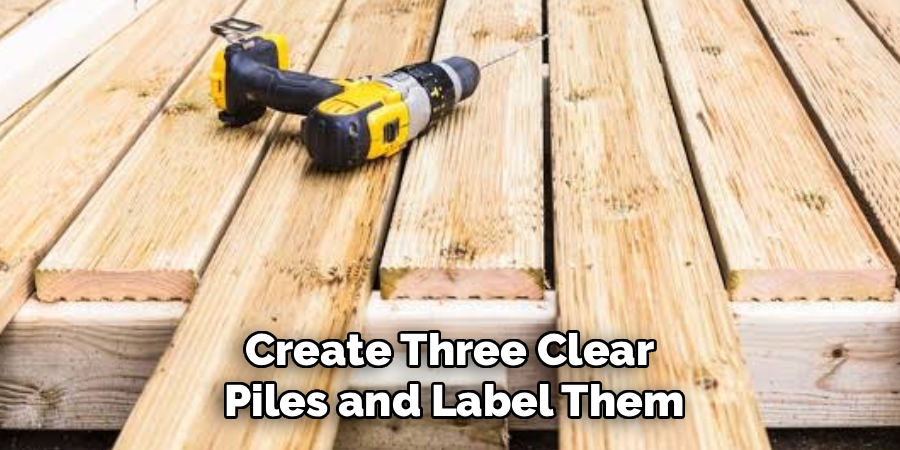
Create three clear piles and label them: keep, donate, and dispose. Solid, untreated boards with no rot go in the keep or donate pile, ready for wood repurposing or lumber donation. Treated lumber, even if it looks fine, heads to the dispose pile because it can’t be burned, mulched, or composted.
Toss anything soft, crumbling, or riddled with insect tunnels straight into the disposal group. Press your thumb into questionable spots. If the wood gives like a sponge, it’s done. This sorting stage is where you save the most money, since every board you recycle or reuse is one less you pay to haul away. Stay honest about quality so you don’t pass rotten wood to someone else.
Step 6 – Choose Your Disposal Method
With your piles ready, match each one to the right destination. For the dispose pile, your main options are a landfill that accepts treated wood, a transfer station, or a junk removal service that handles the heavy lifting for you. Renting a dumpster works well for big tear-outs where you’ve got loads of debris.
Learning how to dispose of old deck wood responsibly often means combining methods. You might recycle clean scraps, donate good boards, and pay only to haul the unusable treated lumber. Weigh the costs honestly. A junk removal crew costs more but saves your back and an entire weekend. Sorting first always shrinks the pile you actually pay to discard, so your earlier work pays off here.
Step 7 – Explore Recycling and Donation Options
Don’t write off those decent boards just yet. Untreated wood finds new life in countless places. Local building-material reuse centers, like Habitat for Humanity ReStores, often welcome clean lumber donations and may even pick it up. Community workshops, theater groups, and school art programs frequently hunt for free wood too.
For wood recycling, check whether your municipality runs a yard-waste or construction-debris program that chips clean wood into mulch. Post solid boards on local marketplace or free-stuff groups, and they’ll often vanish within hours. Gardeners snap them up for raised beds and compost bins. Every board you divert is a landfill alternative that trims your disposal costs and keeps usable material out of the trash. A quick photo and post can clear half your pile.
Step 8 – Haul, Clean Up, and Finish the Job
Load your sorted wood with the heaviest boards on the bottom and lighter scraps on top so nothing shifts during the drive. Strap everything down tight, because loose lumber on the highway is both illegal and dangerous. Make your trips to the recycler, donation center, and landfill in a logical order to save fuel and time.
Back home, run the magnetic sweeper across the whole work area one final time. You’ll be surprised how many nails turn up. Rake the ground, bag the small splinters, and double-check for buried hardware. The yard should look clean enough to walk barefoot, though you probably shouldn’t just yet. Stand back and enjoy the cleared space you earned through careful, responsible work.
Common Mistakes to Avoid
The single biggest mistake is treating all deck wood the same. Pressure-treated lumber carries chemical preservatives, so burning it releases toxic fumes and tossing it into compost or mulch contaminates your soil. Always identify treated boards first and keep them out of any fire pit or garden project.
Another frequent error is skipping the regulation check. People load up their truck, drive to the nearest landfill, and get turned away because that site won’t accept construction debris or treated wood. A two-minute phone call prevents a wasted afternoon and surprise fees.
Many DIYers also rush demolition and leave nails everywhere. Those rusty fasteners puncture tires, slice through gloves, and lurk in the grass for months. Pull every nail and sweep thoroughly as you go, not just at the end.
Some folks throw away perfectly good boards out of impatience. Solid untreated cedar or redwood has real value for donation or repurposing, and tossing it wastes both money and material. Sort honestly before you haul.
Finally, don’t overload your vehicle or skip tie-downs. Unsecured lumber is a road hazard and an easy ticket waiting to happen.
Expert Tips
Pros always test for treated wood before assuming anything. If your deck is older and you’re unsure, treat the lumber as pressure-treated to stay safe. The few extra disposal dollars beat a contaminated garden.
Time your dump runs for weekday mornings. Transfer stations and landfills get jammed on weekends, and you’ll wait far less midweek. Many also charge by weight, so go early before the lines build.
Keep a couple of the best boards aside even if you have no project in mind. Weathered deck wood develops a gray patina that’s prized for rustic furniture, shelves, and signs. You’ll find a use, and reclaimed lumber saves you a fortune later.
Finally, photograph your demolition progress. If you ever sell or refinish, documented work proves the job was done right and builds trust with future buyers or inspectors.
Frequently Asked Questions
Can I Burn Old Deck Wood to Get Rid of It?
No, never burn pressure-treated deck wood. The chemical preservatives release toxic smoke and ash that harm your lungs and contaminate your yard. Even untreated boards covered in old stain or sealant create unhealthy fumes when burned. Many areas also ban open burning of construction debris entirely. Clean, bare, untreated wood is the only type some regions allow for fires, so always confirm local rules first.
How Do I Know If My Deck Is Pressure-Treated?
Look for a greenish or brownish tint, small staple-shaped incision marks across the surface, and a faint chemical odor. Pressure-treated lumber often feels slightly heavier and damper than natural wood. Some boards carry an end tag stamped with treatment ratings. If your deck is more than a few years old and you’re unsure, treat it as pressure-treated and dispose of it accordingly to stay safe.
Is It Cheaper to Rent a Dumpster or Hire Junk Removal?
It depends on the size of your project. Renting a dumpster usually costs less for large tear-outs where you handle the loading yourself over several days. Junk removal services charge more but do all the heavy lifting and haul everything in one visit. For a small deck, junk removal might win on convenience. Sort and recycle first either way to shrink the load you pay for.
Can Old Deck Wood Be Recycled?
Yes, but only clean, untreated wood. Many municipalities accept untreated lumber in construction-debris or yard-waste programs that chip it into mulch. Reuse centers and building-material stores often take solid boards for donation. Pressure-treated lumber, however, can’t be recycled or composted because of its chemical content and must go to a facility that accepts it. Always separate treated from untreated wood before recycling.
What Can I Do With Old Deck Boards Instead of Throwing Them Away?
Plenty, if the wood is untreated and solid. Build raised garden beds, planters, compost bins, shelves, or rustic furniture from the better boards. Their weathered gray patina looks great for signs and décor. You can also donate usable lumber to reuse centers, schools, or community workshops. Posting free boards online clears them fast, since gardeners and crafters love reclaimed wood for projects.
Conclusion
Clearing out an old deck doesn’t have to end with a guilty trip to the dump or a yard full of hidden nails. When you know how to dispose of old deck wood properly, the whole project becomes manageable, affordable, and even a little rewarding. Start by identifying treated versus untreated lumber, check your local rules, dismantle the deck safely, and pull every last nail. Then sort honestly so you can recycle, donate, or repurpose the boards worth saving and pay only to haul what’s truly done.
Each step protects your wallet, your health, and the environment. You’ll keep toxic treated wood out of fires and gardens, give solid boards a second life, and finish with a clean, safe space to build something new. Take your time, stay safe, and handle that lumber with care. Grab your gloves, make a plan, and turn that tired old deck into a job well done.
