
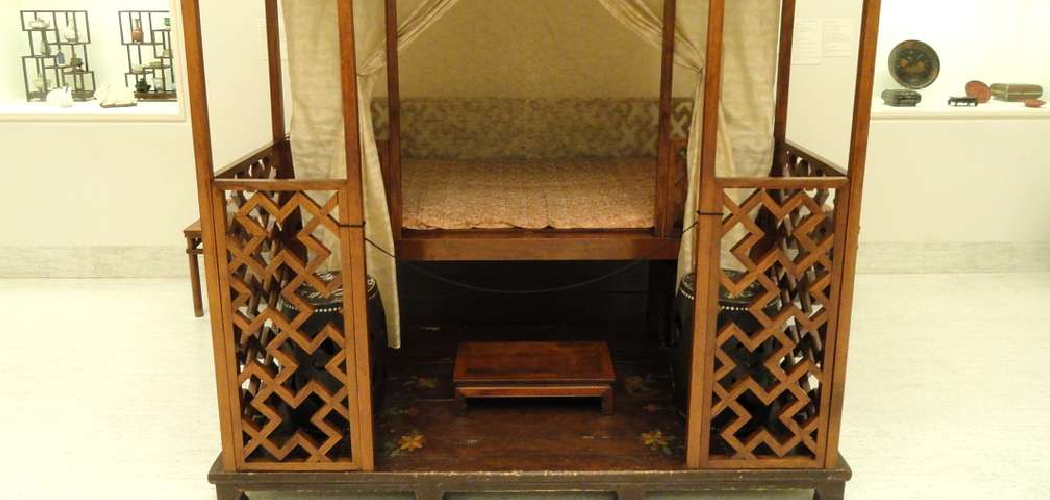
Few woods in the world carry the mystique and value of huanghuali. This golden-hued treasure from the Dalbergia odorifera tree has commanded staggering prices at auction, with antique huali furniture selling for millions. That kind of value attracts fakes, and the market is full of them.
Learning how to identify huanghuali wood protects you from costly mistakes and sharpens your eye as a woodworker. Once you know what to look for, the signs become clear: a warm glow, a sweet scent, swirling grain patterns, and a weight that surprises your hands.
This guide walks you through every reliable test, from grain reading to UV fluorescence, so you can spot genuine Chinese rosewood with confidence and never overpay for an imitation again.
Why Identifying Huanghuali Matters
Huanghuali sits among the most counterfeited woods on earth. Sellers stain cheaper rosewoods, fake the grain, and slap a premium price tag on the result. One wrong purchase can cost you thousands.
When you know how to read this wood, you save real money and avoid heartbreak. You also build a deeper understanding of rare Chinese rosewood, a skill that carries over to identifying other valuable hardwoods.
There’s craftsmanship knowledge here too. Huanghuali shaped centuries of Ming Dynasty furniture, prized for its strength, workability, and beauty. Studying it connects you to that tradition and teaches you what makes a wood truly exceptional.
For collectors, restorers, and serious DIYers, antique wood authentication is a genuine asset. The eye you train on huanghuali will serve you for a lifetime of woodworking.
Tools and Materials You’ll Need
Gather these basics before you start examining any piece. Good lighting and a few simple tools make all the difference.
- A bright, natural-light source or a daylight LED lamp for true color reading
- A UV flashlight (365nm works best) to check fluorescence
- A 10x jeweler’s loupe or magnifying glass for grain and pore detail
- A digital scale and small ruler to estimate wood density
- A clean white cloth and a small amount of acetone for a wipe test
- Fine-grit sandpaper to expose a fresh surface for scent testing
- A reference photo set of verified huanghuali grain and color
- Optional: A handheld moisture meter to gauge how dense and dry the piece feels
Keep your tools clean and your workspace well-lit. Accurate identification depends on seeing the wood as it truly is, not under yellow bulbs that distort its color.
Step-by-Step Guide on How to Identify Huanghuali Wood
Step 1 – Examine the Color Under Natural Light
Start by taking the piece into daylight or under a true daylight lamp. Huanghuali glows with a warm, honey-gold to reddish-brown color, and the name itself means “yellow flowering pear.”
Look for depth, not flatness. Genuine huanghuali shows shifting tones that seem to glow from within, almost translucent in places when the light hits it right.
Tilt the wood slowly and watch how the color moves. Fakes often look one-dimensional, with a painted-on uniformity that never shifts.
Knowing how to identify huanghuali wood begins with this color test, because no stain perfectly mimics that living, layered glow. If the color sits flat and dull no matter the angle, treat the piece with suspicion from the start.
Step 2 – Read the Grain Patterns
Now grab your loupe and study the grain closely. Huanghuali is famous for its wild, flowing patterns that curl and swirl across the surface like smoke or flowing water.
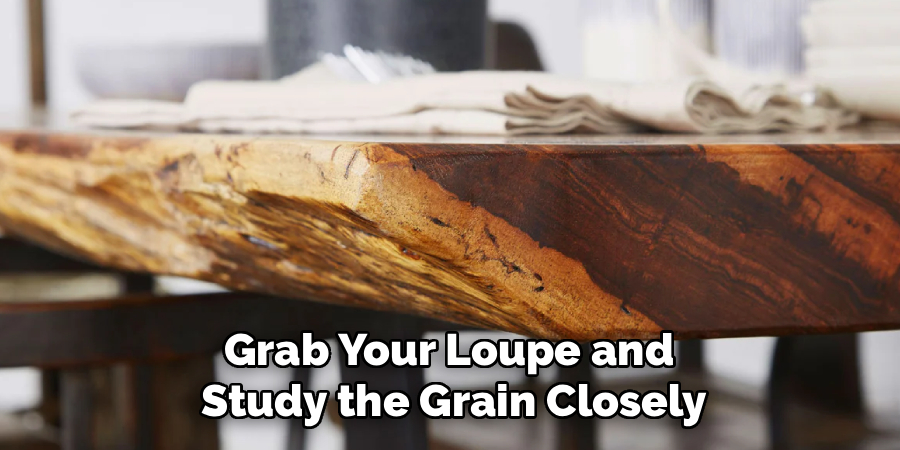
The most prized feature is the “ghost face” grain, where dark, eye-like swirls appear in the wood and seem to stare back at you. These natural figures are nearly impossible to fake convincingly.
Run your eyes along the lines and look for smooth, organic flow. Real grain weaves and changes direction naturally, while printed or stained fakes show repeating patterns or sharp, unnatural edges.
Feel the surface too. Authentic Chinese rosewood has a fine, tight grain that feels silky-smooth under your fingertips, never rough or chalky.
Step 3 – Smell the Wood
Scent is one of your most reliable clues. Lightly sand a small, hidden area to expose fresh wood, then bring it to your nose.
Genuine huanghuali, from the Dalbergia odorifera tree, releases a sweet, mild fragrance often compared to honey or a faint spice. It’s pleasant and subtle, never harsh.
Some pieces carry a slightly medicinal or sandalwood-like note, which is completely normal. Old, oxidized surfaces may smell faint, so always test a fresh cut.
Beware of two warning signs. A sour, sharp, or chemical smell points to a fake or a treated substitute. A complete lack of scent on freshly sanded wood is also a red flag, since true huanghuali almost always offers that signature sweetness.
Step 4 – Test the Weight and Density
Pick up the piece and feel its heft. Huanghuali is a dense, heavy hardwood that feels far more substantial than its size suggests.
To measure wood density properly, weigh a small offcut and compare it against known figures. Genuine huanghuali typically sinks or barely floats in water, since its density sits close to or above that of water.
Hold the piece and bounce it gently in your hand. That solid, surprising weight is hard to fake with lighter woods dressed up to imitate it.
A piece that feels suspiciously light for its size is almost certainly not the real thing. Density alone won’t confirm authenticity, but combined with color, grain, and scent, it builds a strong case toward a confident answer.
Step 5 – Check the UV Fluorescence
This is where a UV flashlight earns its place in your kit. Take your 365nm light into a dark room and shine it across the wood’s surface.
Genuine huanghuali shows a distinct UV fluorescence, often glowing with a soft blue, green, or yellowish hue depending on the piece. This reaction comes from natural compounds in the Dalbergia odorifera wood.
Watch the surface carefully as you move the light. The glow should look even and natural, spreading across the grain rather than sitting only on the finish.
Many cheaper substitutes and stains either don’t fluoresce at all or react with an odd, patchy color. While UV testing isn’t foolproof on its own, a healthy fluorescent glow strongly supports authenticity when your other tests agree.
Step 6 – Perform the Acetone Wipe Test
Stains and dyes are common tricks, so test for them. Dampen a clean white cloth with a small amount of acetone and gently wipe a discreet spot on the wood.
If color transfers onto the cloth, you’re dealing with a stained or dyed piece, not natural huanghuali. Real wood color comes from within and won’t rub off.
Watch the cloth closely after each wipe. A faint trace of natural oils is fine, but obvious red or brown pigment lifting away signals a fake.
This simple test exposes many counterfeits instantly. Learning how to identify huanghuali wood means trusting these small checks, because a seller can fake the look but rarely fakes the wood all the way through to its core.
Step 7 – Inspect the Pores and End Grain
Turn the piece and examine the end grain with your loupe. The pores tell a story that surface treatments can’t hide.
Huanghuali shows fine, small to medium pores arranged in a tight, even pattern. Many pieces display dark resin or mineral deposits within the pores, adding to that rich, complex look.
Look for consistency across the whole surface. Genuine wood pores follow the natural grain flow, while glued-up fakes or veneers often show abrupt changes where pieces join.
Feel the end grain too. Authentic huanghuali sands to a glassy smoothness because of its tight structure and natural oils. A coarse, open, or fuzzy end grain points to a different, lower-grade wood masquerading as the real treasure.
Step 8 – Compare Against Verified References
Pull out your reference photos and place them beside the piece. Side-by-side comparison sharpens your judgment more than memory ever could.
Match the color glow, the grain flow, the ghost face figures, and the pore structure point by point. Genuine huanghuali will align across all of these markers, not just one or two.
Trust the full picture rather than a single test. A piece might pass the color check but fail on scent or density, and that mismatch matters.
When every clue agrees, your confidence is well-earned. When even one test contradicts the others, slow down and dig deeper. For high-value pieces, this final cross-check is what separates a careful buyer from someone who gets burned.
Common Mistakes to Avoid
The biggest mistake is relying on color alone. Color is easy to fake with stains and dyes, so a beautiful golden glow means nothing without grain, scent, and density to back it up. Stain transfers onto an acetone cloth in seconds, yet plenty of buyers skip that simple test and pay dearly for it.
Another frequent error is ignoring the scent. People examine the grain for ages but never sand a fresh spot to smell the wood. That sweet, honey-like fragrance from genuine Dalbergia odorifera is one of your most trustworthy signs, and skipping it throws away a free, reliable clue.
Many beginners also trust a single test in isolation. UV fluorescence alone won’t confirm authenticity, and neither will weight on its own. Real identification comes from stacking multiple tests until they all agree. One passing result among several failures is a warning, not a green light.

Finally, watch out for veneers and glued composites. A thin slice of real huanghuali over cheap wood fools the eye completely. Always check the end grain and look for abrupt seams or pattern changes. Examining only the polished surface lets clever fakes slip right past you.
Expert Tips
Always test the freshest surface you can. Oxidation dulls both color and scent over years, so a quick light sanding in a hidden spot reveals the wood’s true character that an aged surface hides.
Build a physical reference collection if you can. Holding a verified scrap of huanghuali next to a questionable piece teaches your hands and nose more than any photo ever will. Weight, scent, and grain feel different in person.
Pay close attention to where the grain meets joints and edges. Master forgers fake the surface but struggle to match grain flow around corners and seams.
Finally, when buying high-value antique huali furniture, ask about provenance and history. Genuine pieces usually carry a paper trail. A seller who can’t explain a piece’s origin deserves your caution.
Frequently Asked Questions
What Does Genuine Huanghuali Smell Like?
Genuine huanghuali gives off a sweet, mild fragrance often compared to honey, with faint spice or sandalwood notes. The scent comes from natural compounds in the Dalbergia odorifera tree. Always sand a small, hidden area first, since old oxidized surfaces lose much of their smell. A sour, chemical, or completely absent scent on fresh wood is a strong warning sign of a fake.
Is the Float Test Reliable for Huanghuali?
The float test offers a helpful clue but isn’t conclusive on its own. Genuine huanghuali is dense and usually sinks or barely floats because its density sits close to or above water. Still, density varies between pieces, and some fakes use dense substitute woods. Use the float or weight test alongside color, grain, scent, and UV checks rather than trusting it alone.
Can a UV Flashlight Confirm Real Huanghuali?
A UV flashlight helps but can’t confirm authenticity by itself. Genuine huanghuali typically glows with a soft blue, green, or yellowish fluorescence under a 365nm light. Many fakes and stains either don’t react or show patchy, unnatural color. Treat UV fluorescence as one supporting test among several. When it agrees with your color, grain, and scent findings, your confidence in a genuine piece grows considerably.
What Is “Ghost Face” Grain?
Ghost face grain refers to the dark, eye-like swirls that appear in the most prized huanghuali. These natural figures look like faces or eyes staring back from the wood’s surface, formed by the tree’s wild, flowing grain. They’re extremely difficult to fake convincingly. Spotting authentic ghost face patterns under a loupe is one of the most exciting and reliable signs of genuine Chinese rosewood.
How Do I Spot a Huanghuali Veneer?
Check the end grain and edges closely. A veneer is a thin slice of real huanghuali glued over cheaper wood, so the surface looks perfect while the core gives it away. Look for abrupt seams, sudden pattern changes, or a different wood color along edges and joints. Genuine solid huanghuali shows consistent grain flow and matching pore structure all the way through.
Conclusion
Spotting real huanghuali comes down to patience and a willingness to test thoroughly. No single clue tells the whole story. Instead, you stack the evidence: the warm honey glow under natural light, the swirling ghost face grain, the sweet scent of fresh-sanded Dalbergia odorifera, the surprising density, and the soft UV fluorescence.
When all these signs agree, you can buy with confidence. When even one contradicts the rest, you slow down and protect your wallet from an expensive fake.
These skills do more than guard your money. They connect you to centuries of craftsmanship and train an eye that serves you across all your woodworking projects. Master antique wood authentication on huanghuali, and you’ll read other rare hardwoods with the same sharp judgment.
Now that you understand how to identify huanghuali wood, take your time with every piece, trust the full picture over any single test, and let your growing expertise guide each decision. Your next genuine find will feel deeply rewarding.
