
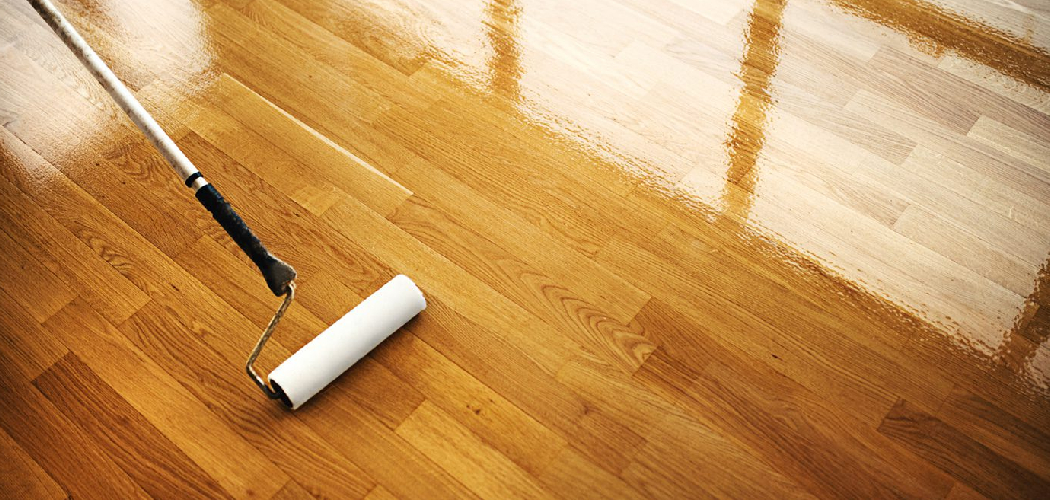
Dull, dusty parquet steals the warmth from any room. The good news: you can bring back that rich, glowing finish without hiring a pro or buying expensive gear. Parquet floors are built from small wood pieces arranged in geometric patterns, which means grit and grime love to settle into every seam. Learn how to clean parquet wood floors the right way, and you protect both the wood and the design underneath. Get it wrong, and you risk dull patches, swollen boards, or a stripped finish.
This guide walks you through every step, from prep to polish. You’ll learn the tools that work, the mistakes that wreck floors, and the pro tricks that keep parquet looking sharp for decades.
Why Cleaning Parquet Wood Floors Matters
Neglected parquet costs you money. Trapped grit acts like sandpaper underfoot, grinding down the finish and scratching the wood beneath. Once that protective layer wears thin, moisture seeps in. Then you’re looking at warped tiles, gaps, and a refinishing bill that runs into the hundreds.
Regular cleaning flips that math. A well-maintained parquet floor lasts 50 years or more. The right routine extends the finish, blocks moisture damage, and keeps the geometric pattern crisp.
You also build confidence. Once you know the correct method, parquet flooring maintenance takes minutes, not weekends. You stop guessing about products, stop fearing water marks, and start treating your floor like the long-term investment it is.
Tools and Materials You’ll Need
Gather everything before you start. The right kit prevents scratches and water damage:
- Trap fine dust: soft-bristle broom or microfiber dust mop
- Pull grit from seams: vacuum with a hard-floor (bare floor) setting
- Lift dirt safely: pH-neutral wood floor cleaner
- Apply cleaner evenly: flat-head microfiber mop
- Control moisture: two buckets (one for cleaner, one for rinse)
- Dry the surface fast: clean, dry microfiber cloths
- Spot-test products: small white rag for stain checks
- Optional convenience: a spray bottle for misting cleaner directly onto the mop pad
Skip steam mops, beater-bar vacuums, and oil soaps. Each one damages parquet finishes over time. Stick to soft tools and minimal water for the safest hardwood floor care.
Step-by-Step Guide on How to Clean Parquet Wood Floors
Step 1 – Clear the Floor Completely
Start with an empty space. Move chairs, rugs, and small furniture out of the room. You need full access to every seam and corner.
Lift furniture instead of dragging it. Dragging scratches the finish and can chip the wood tiles. If something is too heavy, slide a felt pad underneath each leg first.
Check the floor for loose pieces while you work. Parquet sometimes lifts at the edges over time. Press each suspect tile with your thumb. If it shifts or makes a hollow click, mark it and avoid soaking that spot later.
A clear floor also helps you spot problem areas: faded patches, sticky residue, or scratches that need extra attention. This prep makes learning how to clean parquet wood floors far less frustrating.
Step 2 – Dry Sweep or Dust Mop First
Never apply liquid to a dusty floor. Loose grit turns into abrasive sludge the moment it gets wet.
Run a microfiber dust mop across the boards in long, overlapping strokes. Follow the direction of the wood grain where you can. You’ll feel the mop glide smoothly once a section is clean, and catch slightly on any sticky spots that need extra work.
Listen for a soft, even sweep. A gritty, scratchy sound means sand is still on the surface. Keep going until that sound disappears.
Pay attention to the seams between tiles. Dust collects in those tiny grooves, so angle your mop to pull debris out of the geometric joints rather than packing it deeper.
Step 3 – Vacuum the Seams and Corners
Some grit hides where a dust mop can’t reach. Switch to a vacuum with a hard-floor setting and no rotating brush.
Run the nozzle slowly along the edges of the room and into corners. These spots collect the most debris because foot traffic pushes dirt toward the walls.
Work across the geometric pattern, not just with it. The crisscross design of parquet creates dozens of small valleys where sand settles. A slow pass over each one lifts what the mop missed.
Keep the wheels and nozzle clean as you go. A trapped pebble under the vacuum head can scratch the finish in one stroke. Check the base every few minutes if your floor feels especially dirty.
Step 4 – Mix a Gentle Cleaning Solution
Harsh cleaners strip parquet finishes. Use a pH-neutral wood floor cleaner instead, and dilute it exactly as the label says.
Fill one bucket with the diluted solution and a second with plain water for rinsing. Two buckets keep dirty water off your clean floor.
If you prefer a homemade mix, combine a few drops of pH-neutral soap with warm water. Skip vinegar, ammonia, and bleach. They eat away at the finish and dull the wood over time.
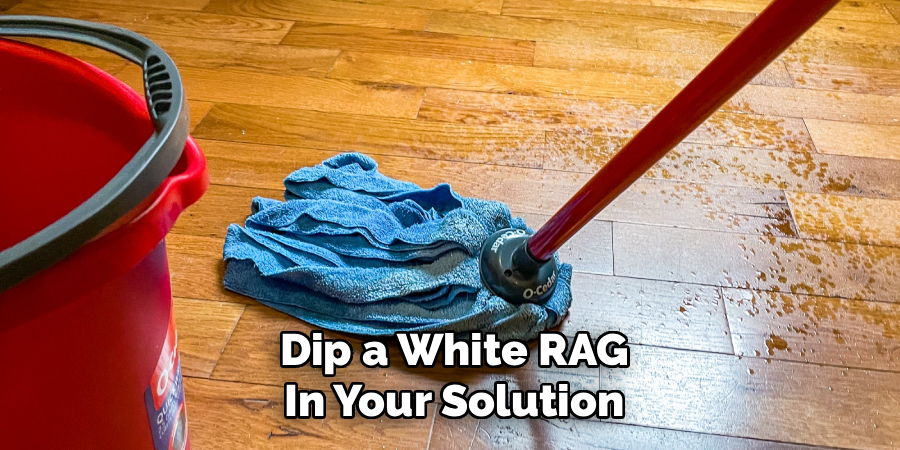
Dip a white rag in your solution and test it on a hidden corner first. Wait five minutes. If the finish stays bright and the wood shows no cloudiness, you’re clear to clean the whole floor.
Step 5 – Damp Mop With Minimal Water
Water is parquet’s enemy. The trick to how to clean parquet wood floors safely is using a mop that’s damp, never wet.
Dip your flat microfiber mop in the cleaning solution, then wring it hard. The pad should feel barely moist. If you can squeeze out a drip, it’s too wet.
Mop in the direction of the grain using smooth, light strokes. You’ll see a thin film of moisture that vanishes within seconds. If water pools in the seams or sits on the surface, stop and wring the mop tighter.
Rinse the pad in your second bucket often. A dirty pad just spreads grime back across the geometric tiles instead of lifting it.
Step 6 – Tackle Stubborn Stains and Spots
Some marks won’t budge with a basic mop pass. Treat them one at a time.
For sticky residue, press a damp cloth over the spot for thirty seconds to soften it, then wipe gently. Never scrub hard. Aggressive rubbing strips the finish and leaves a dull halo.
For grease, a small dab of pH-neutral cleaner on a soft cloth usually lifts it. Wipe in small circles, then buff dry right away.
Avoid putty knives, scouring pads, or metal tools. They gouge the wood instantly. If a stain has soaked below the finish, it may need professional refinishing rather than more scrubbing. Knowing when to stop protects your floor finish from permanent damage.
Step 7 – Dry the Floor Immediately
Lingering moisture is what warps parquet. Dry each section as you finish it.
Run a clean, dry microfiber cloth or dry mop over the boards. You want the surface to feel cool and dry to the touch, with no streaks or damp patches in the seams.
Open a window or run a fan to speed evaporation. Good airflow pulls moisture out of the joints before it can swell the wood tiles.
Look across the floor at a low angle near a light source. Streaks and water spots show up clearly that way. Buff out any you find with the dry cloth while the floor is still slightly damp, before they set into the finish.
Step 8 – Inspect and Protect the Finish
A clean floor is the right time to check its condition. Crouch down and scan the surface in raking light.
Look for dull zones where the finish has worn thin, usually in walkways and doorways. These spots need extra protection before grit reaches the bare wood.
For polyurethane-finished parquet, a thin coat of compatible floor polish restores shine and adds a wear layer. For waxed or oiled floors, use the matching wax or oil instead. Mixing finish types causes cloudiness and peeling.
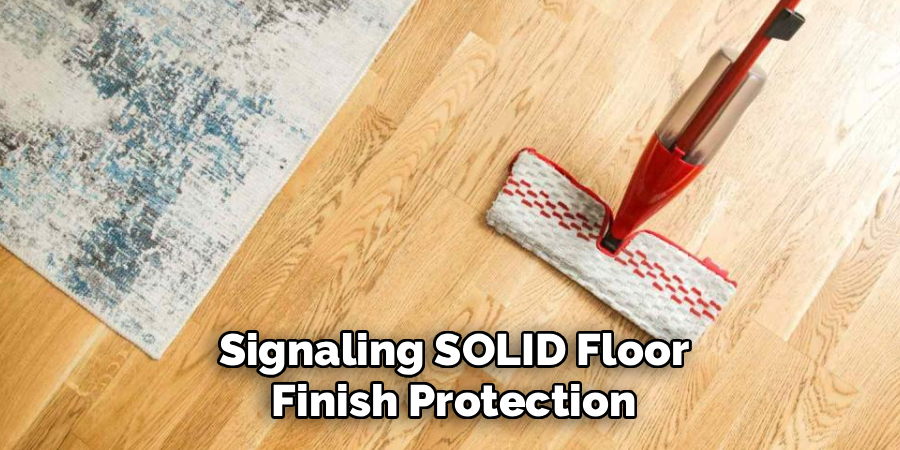
Apply any product sparingly and buff it out. Less is always better with parquet. Once dry, your floor should glow evenly and feel smooth, signaling solid floor finish protection for months ahead.
Common Mistakes to Avoid
The biggest mistake is using too much water. Parquet is made from small wood pieces glued in place, and standing water seeps into every seam. It swells the wood, loosens the adhesive, and lifts tiles. Always wring your mop until it’s barely damp, and dry the floor right after.
Another common error is reaching for the wrong cleaner. Vinegar, ammonia, and oil soaps promise shine but strip the finish and leave a dull, hazy film that’s hard to reverse. Stick to a pH-neutral wood floor cleaner made for sealed hardwood.
Steam mops cause serious trouble too. The heat and forced moisture drive water deep into the joints, warping boards from the inside out. Manufacturers void warranties over steam damage for good reason.
Skipping the dry-sweep step ruins floors slowly. Mopping over loose grit grinds sand into the finish like sandpaper, leaving fine scratches that build up over time.
Finally, many people drag furniture across clean parquet. One heavy chair leg can carve a gouge in seconds. Lift items or use felt pads under every leg.
Expert Tips
Clean in the direction of the wood grain, not against it. Cross-grain strokes push moisture and grime into the seams, while grain-direction passes pull debris up and out.
Place felt pads under every piece of furniture and replace them twice a year. Worn pads collect grit and quietly scratch the finish each time someone shifts a chair.
Control humidity in the room. Keep it between 35 and 55 percent. Parquet expands in damp air and contracts when it’s dry, and stable humidity prevents the gaps and cupping that ruin the pattern.
Use walk-off mats at every entrance. Most floor damage comes from grit tracked in on shoes, and a good mat stops up to 80 percent of it before it reaches your parquet.
Refresh the finish before it wears through, not after. Recoating sealed wood is cheap. Sanding bare, damaged parquet is not.
Frequently Asked Questions
How Often Should You Clean Parquet Wood Floors?
Dust mop or sweep two to three times a week, and damp mop every one to two weeks. High-traffic homes with kids or pets need more frequent passes. The goal is removing grit before it scratches the finish. Wipe spills the moment they happen. Quick, regular cleaning beats occasional deep scrubbing and keeps your parquet looking sharp far longer.
Can You Use a Steam Mop on Parquet?
No. Steam mops force heat and moisture into the seams between wood tiles, which swells the boards, loosens the adhesive, and warps the floor. The damage is often permanent and voids most warranties. Stick to a barely damp microfiber mop and a pH-neutral wood cleaner instead. Minimal moisture is the only safe way to clean sealed parquet.
What’s the Best Cleaner for Parquet Flooring?
A pH-neutral wood floor cleaner made for sealed hardwood is your safest choice. It lifts dirt without stripping the finish or leaving residue. Avoid vinegar, ammonia, bleach, and oil soaps, which dull the surface over time. If you prefer a DIY mix, use a few drops of pH-neutral soap in warm water. Always spot-test any cleaner in a hidden corner first.
How Do You Remove Scratches From Parquet?
Light surface scratches often disappear with a matching floor polish or a touch-up marker in the right wood tone. For deeper gouges that reach bare wood, use a wood filler that matches your floor, then reapply finish over the spot. Widespread scratching usually means the wear layer is gone, and that calls for professional sanding and refinishing rather than a quick fix.
Why Is My Parquet Floor Dull After Cleaning?
Dullness usually comes from residue or the wrong product. Vinegar, oil soaps, and over-diluted cleaners leave a hazy film that builds up with each wash. Too much water also clouds the finish. Rinse with a barely damp mop of plain water, dry the floor right away, and switch to a pH-neutral cleaner. A thin coat of compatible polish restores the shine.
Conclusion
Parquet floors reward the right care and punish the wrong kind. Master how to clean parquet wood floors, and you protect both the wood and the geometric design that makes it special. The routine is simple: clear the room, dry-sweep the grit, vacuum the seams, then damp mop with a pH-neutral cleaner and minimal water. Dry every section fast, inspect the finish, and protect worn spots before they reach bare wood.
Steer clear of the floor-killers. No steam mops, no vinegar, no soaking. Add felt pads, walk-off mats, and stable humidity, and your parquet stays bright for decades.
You don’t need pro gear or pro prices to get pro results. A soft mop, the right cleaner, and a steady routine do the work. Start with one room this week. Once you see that rich, even glow return, the rest of the house follows fast. Your floor is an investment, and now you know exactly how to protect it.
